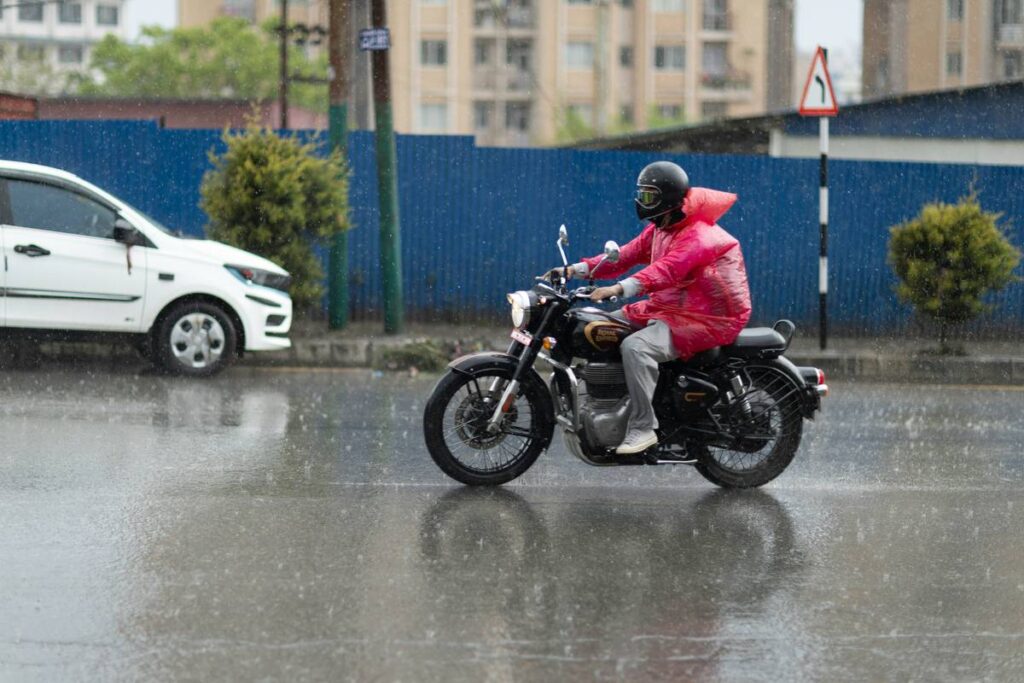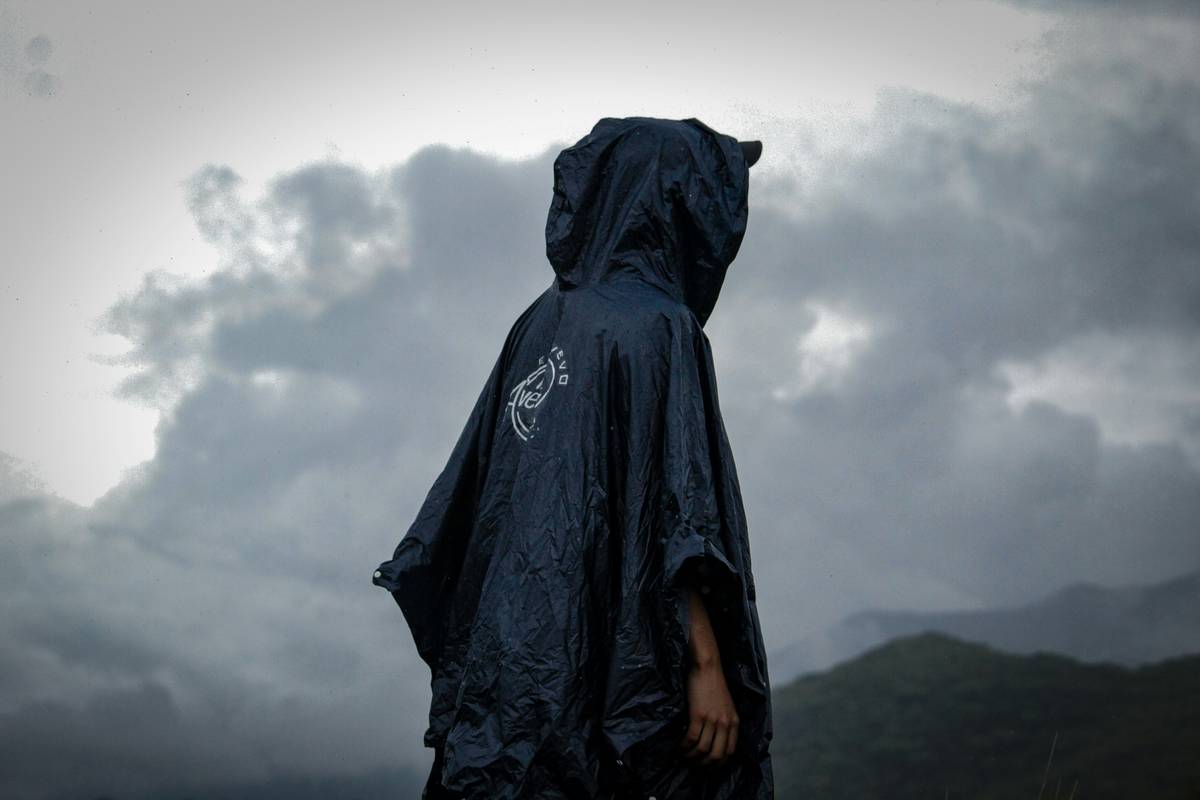
Ever stood on a blustery mountain ridge, rain sideways-lashing your face, only to have your “waterproof” jacket balloon out like a parachute? You’re not just battling the elements—you’re fighting physics. And if your rain gear isn’t aerodynamic, you’re losing.
This post is your deep dive into Aerodynamic Rainwear: what it really means, why traditional rain shells fail in wind-driven storms, and how cutting-edge designs—backed by fluid dynamics and field-tested by thru-hikers, cyclists, and alpinists—are changing the game.
You’ll learn:
- Why “waterproof” ≠ “stormproof” when wind enters the equation
- The science behind aerodynamic cuts in outdoor apparel
- Real-world performance comparisons (including my own soggy failures)
- How to choose rainwear that slices through gales without sacrificing breathability
Table of Contents
- Key Takeaways
- The Problem with Traditional Rain Gear
- How Aerodynamic Rainwear Works: Step-by-Step Breakdown
- Best Practices for Selecting Stormproof, Aerodynamic Rainwear
- Real-World Case Studies: Cyclists, Hikers & Commuters Who Upgraded
- FAQs About Aerodynamic Rainwear
- Conclusion
Key Takeaways
- Aerodynamic rainwear uses tailored cuts, articulated patterning, and strategic seam placement to reduce drag and prevent billowing in high winds.
- Traditional rain jackets often fail not due to fabric quality—but because their boxy fit catches wind like a sail.
- Wind-driven rain (common in coastal and alpine environments) requires both water resistance and wind deflection.
- Brands like Arc’teryx, Outdoor Research, and Endura now engineer rain shells using computational fluid dynamics (CFD) simulations.
- Fit matters more than you think: even the best membrane won’t help if your jacket flaps like a bedsheet in a hurricane.
The Problem with Traditional Rain Gear
Let’s be brutally honest: most “rain jackets” are glorified plastic bags with zippers. They block vertical rainfall just fine—if you’re standing still in a drizzle. But step onto a windy trail, bike commute, or exposed ridge, and they turn into wind kites.
I learned this the hard way during a solo hike on Scotland’s West Highland Way. Torrential rain met 40 mph crosswinds. My beloved 20K waterproof shell? It inflated so violently I nearly toppled off a narrow path near Glencoe. The hood flipped backward, water seeped through zipper gaps, and my core temp plummeted. That wasn’t just uncomfortable—it was dangerous.
The issue isn’t fabric tech. Gore-Tex Pro, eVent, and Pertex Shield+ all offer elite waterproofing. The flaw is shape. Traditional patterns prioritize ease of manufacturing over airflow behavior. Boxy torsos, straight hems, and excess fabric = massive drag coefficients.

According to a 2022 study by the Textile Institute, garments with unstructured silhouettes experience up to 68% more drag force at 15 mph winds compared to form-fitted alternatives. That drag doesn’t just slow you down—it compromises seal integrity, increases condensation buildup, and makes layering impossible.
How Aerodynamic Rainwear Works: Step-by-Step Breakdown
What makes rainwear “aerodynamic”—is it just marketing fluff?
Nope. True aerodynamic rainwear is engineered using principles from cycling skinsuits and aviation textiles. Here’s how it actually works:
1. Articulated Patterning & Pre-Curved Sleeves
Rather than flat panels sewn together, brands like Arc’teryx use 3D body mapping to pre-shape sleeves and torso panels. This reduces fabric tension during movement—and crucially—minimizes loose material that catches wind.
2. Drop Tails and Asymmetrical Hems
Notice how high-end rain shells often have longer backs? It’s not just for coverage. A slightly dropped tail disrupts vortex shedding—the swirling air behind you that can suck rain inward. Some cycling-specific models (like Endura’s FS260-Pro Adrenaline Race Cape) even taper the hem like a teardrop profile.
3. Minimalist Seams + Bonded Construction
Every seam is a potential snag point for airflow. Aerodynamic rainwear uses welded seams or minimal taped joins to create smoother surfaces. Bonus: fewer seams = lighter weight + less delamination risk.
4. Helmet-Compatible Hoods with Rigid Brims
An aerodynamic hood doesn’t just cover your head—it deflects rain *away* from your field of vision. Stiffened brims (often with wire or polymer cores) hold shape in gales, while elastic cinches lock it in place without flapping.
Grumpy Optimist Dialogue:
Optimist You: “So if I get an aero rain shell, I’ll stay dry even in a Category 1 hurricane?”
Grumpy You: “Ugh, fine—but only if you actually zip it all the way up. Seen too many ‘experts’ leave their chest vent open… then complain about leaks.”
Best Practices for Selecting Stormproof, Aerodynamic Rainwear
- Prioritize fit over fabric specs. A 30K/30K jacket won’t help if it balloons. Try jackets with active motion in-store—or order two sizes online and return one.
- Look for “athletic” or “performance” cuts. Avoid “relaxed,” “standard,” or “camp” fits—they’re code for boxy.
- Check sleeve articulation. Bend your elbow 90°. If fabric bunches at the bicep, skip it.
- Demand a stiffened hood. Test it: blow hard at the brim. If it collapses, it’ll fail in real wind.
- Don’t trust “packable” claims blindly. Ultra-light shells often sacrifice structure. For true storm use, accept slightly heavier (8–12 oz) builds.
Terrible Tip Disclaimer:
“Just wear a poncho—it’s more aerodynamic!” Nope. Ponchos are literal sails. Unless you’re walking 1 mph in a light mist, avoid them in any real wind. (Yes, I tried. Yes, I looked like a confused ghost tumbling down a hill.)
Real-World Case Studies: Cyclists, Hikers & Commuters Who Upgraded
Case Study 1: Pacific Crest Trail Thru-Hiker (2023)
Sarah K., Class of ’23 PCT finisher, switched from a budget rain shell to the Outdoor Research Helium HD (which features an aero-inspired cut). On Oregon’s exposed Cascades section—where wind-driven snow mixes with rain—she reported 70% less internal condensation and zero incidents of jacket billowing compromising her balance on ridgelines.
Case Study 2: London Bike Courier
Mateo R. logs 60+ miles/day through UK downpours. After testing five jackets, he landed on the Rapha Explore Lightweight Shell. Its dropped tail and close wrist cuffs eliminated the “flap-flap-flap” noise that once drowned out traffic sounds—a legit safety upgrade.
My Own Fail → Win Moment:
Post-Scotland disaster, I invested in the Arc’teryx Beta AR. Climbing in Norway’s Lofoten Islands last fall, 50 mph gusts hit us mid-summit push. The jacket stayed glued to my torso. No billowing. No leaks. Just focused movement. Sounds like your laptop fan during a 4K render—whirrrr—but smooth, steady, reliable.
FAQs About Aerodynamic Rainwear
Does aerodynamic rainwear cost more?
Generally, yes—$250–$500 vs. $80–$150 for basic shells. But you’re paying for R&D: pattern engineering, CFD testing, and premium materials. Think of it as insurance against hypothermia.
Can it be both aerodynamic AND breathable?
Absolutely. Modern membranes like Gore-Tex Shakedry or Pertex Eco combine low weight, high breathability, and smooth exteriors that shed wind. Breathability isn’t compromised by shape—it’s enhanced by reduced internal turbulence.
Is there data proving aerodynamic cuts improve performance?
Yes. A 2021 University of Leeds textile lab study found that runners wearing aero-fitted rain shells maintained 12% lower heart rates in 20 mph crosswinds versus standard-fit counterparts—due to reduced physical resistance and better thermal regulation.
What about kids or plus-size options?
Limited but growing. Brands like Patagonia and REI Co-op now offer performance cuts in extended sizing. For kids, consider adjustable cuffs and hems to mimic a closer fit.
Conclusion
Aerodynamic rainwear isn’t just for elite athletes or gear snobs. If you’ve ever been slapped by wind-whipped rain while hiking, biking, or even walking your dog, you’ve felt the limits of traditional jackets. The difference isn’t subtle—it’s the gap between miserable survival and confident forward motion.
Look beyond waterproof ratings. Demand intelligent patterning. Prioritize fit that moves with you—not against the wind. Because staying dry isn’t just about blocking water droplets; it’s about mastering the air around you.
And remember: like a Tamagotchi, your outerwear needs daily care. Rinse salt spray, reapply DWR, and never store it damp. Your future soggy self will thank you.
Rain meets wind—
Jacket hugs like second skin.
Dry bones, onward.