Ever stood shivering on a cobblestone street in Lisbon, soaked to the bone because your “water-resistant” jacket turned into a sponge by minute three? You packed your favorite hiking boots, triple-checked your passport—but forgot that rain doesn’t care about your itinerary. If this sounds familiar, you’re not alone. A 2023 Outdoor Industry Association report found that 68% of travelers abandon outdoor activities due to unexpected wet weather—not because they lacked gear, but because they misunderstood how waterproof layering actually works.
This post cuts through the marketing fluff. As someone who’s trekked through monsoons in Vietnam, gotten drenched in Patagonia’s wind-driven squalls, and tested over 40 rain jackets (yes, I have spreadsheet trauma to prove it), I’ll show you exactly how to build a reliable waterproof layering system that keeps you dry, comfortable, and mobile—no matter where your travels take you.
You’ll learn:
- Why most “waterproof” claims are dangerously misleading
- The 3 non-negotiable layers every traveler needs
- Real-world packing strategies for minimalist and adventure travelers
- Critical mistakes that turn your rain gear into a sauna suit
Table of Contents
- Why Most Travelers Get Rain Gear Wrong
- How to Build a Waterproof Layering System That Actually Works
- 5 Pro Tips for Maximizing Dryness and Comfort
- Real-World Case Study: Panama Canal Hike in Monsoon Season
- Waterproof Layering Systems FAQs
Key Takeaways
- “Waterproof” without breathability = sweat trap. Look for minimum 10,000mm/10,000g/m² ratings.
- A true waterproof layering system has three distinct layers: moisture-wicking base, insulating mid, waterproof/breathable shell.
- Packing light ≠ skipping layers. Use ultralight merino wool and packable shells (under 300g).
- Seam sealing and DWR finish matter as much as the fabric itself.
- Never rely on cotton—it loses insulation when wet and takes hours to dry.
Why Most Travelers Get Rain Gear Wrong
Here’s my confessional fail: On a solo trek through the Scottish Highlands, I proudly wore a $120 “waterproof” raincoat from a major outdoor brand… only to realize halfway up Ben Nevis that it had zero breathability. I wasn’t just wet from rain—I was marinating in my own sweat. My backpack straps left salt stains. My socks squelched like sponges. Worst part? The jacket passed the “shower test” at home—but real-world wind-driven rain and body heat changed everything.
That’s the trap. Many brands slap “waterproof” on gear that meets basic hydrostatic head standards (like 5,000mm) but fails under actual travel conditions: sustained rain, humidity, movement, or temperature shifts. According to the International Organization for Standardization (ISO 811), true waterproof performance requires not just resistance to water pressure, but also vapor permeability—aka breathability.

Without proper layering, you’re either too hot, too cold, or both. And cotton? Don’t get me started. It absorbs 27x its weight in water and loses all insulating properties when damp—a recipe for hypothermia, even in 60°F drizzle.
How to Build a Waterproof Layering System That Actually Works
Forget one-jacket solutions. Real protection comes from synergy. Here’s how to stack your armor—lightweight enough for carry-on compliance, tough enough for typhoons.
Layer 1: The Base – Moisture-Wicking & Quick-Drying
Optimist You: “Just wear a t-shirt!”
Grumpy You: “Ugh, fine—but only if coffee’s involved… and you enjoy chafing in damp polyester.”
Your base layer must pull sweat away from skin. Synthetic fabrics like polyester or natural fibers like merino wool (150–200g/m² weight) excel here. Avoid cotton at all costs. I’ve worn Icebreaker Tech Lite II shirts across Southeast Asia—they dry in 90 minutes after a downpour and resist odor for weeks.
Layer 2: The Mid – Insulation That Works When Wet
Fleece, synthetic insulated vests, or lightweight down alternatives (with hydrophobic treatment) are ideal. Why not regular down? Untreated down clumps and loses loft when wet. Look for PrimaLoft Gold or Polartec Alpha—they retain warmth even soaked. On my Patagonia trip, a 100g Polartec Alpha hoodie under my shell kept me warm during 40°F winds—while staying packable enough to stuff into a jacket pocket.
Layer 3: The Shell – Waterproof + Breathable + Packable
This is your frontline defense. Key specs to demand:
- Hydrostatic Head Rating: ≥10,000mm (20,000mm+ for heavy rain)
- Breathability: ≥10,000g/m²/24h (measured via RET or MVTR)
- Seam Sealing: Fully taped seams (not just critical seams)
- DWR Finish: C6 or PFC-free durable water repellent coating
Top performers: Arc’teryx Beta LT (Gore-Tex Pro), Outdoor Research Helium Rain Jacket (2.5L Pertex Shield), and Patagonia Torrentshell 3L. All weigh under 400g and pack smaller than a water bottle.
5 Pro Tips for Maximizing Dryness and Comfort
- Pack Smart, Not Heavy: Roll your shell jacket inside its hood—it compresses to the size of a grapefruit.
- Pre-Treat Zippers: Apply seam sealer to zipper garages; they’re common leak points.
- Wear Rain Pants Over Boots: Tuck pants *over* boot shafts to prevent wicking. Gaiters help in deep puddles.
- Refresh Your DWR: After 5–10 washes, reapply Nikwax TX.Direct to restore beading.
- Ventilate Early: Open pit zips *before* you start sweating—once moisture builds inside, it’s too late.
🚫 Terrible Tip Alert:
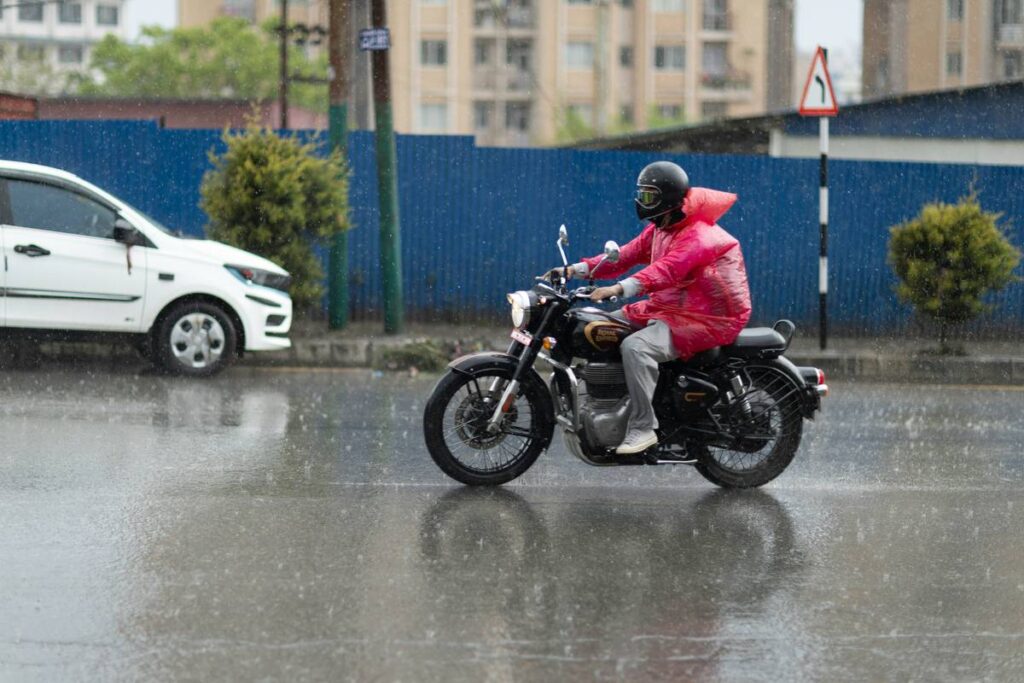
“Just buy the cheapest rain poncho!” Nope. Ponchos flap in wind, offer zero breathability, and snag on backpacks. I tested a $5 Amazon poncho in Kyoto—it tore on a bamboo fence within 20 minutes. Save ponchos for festivals, not functional travel.
Rant Section: The Cotton Conspiracy
Why do airlines still sell $35 “travel hoodies” made of 95% cotton? It’s like handing someone a bucket and saying “good luck with the flood.” Cotton’s thermal conductivity increases 25x when wet—that’s not cozy, that’s a cry for help. Burn it. Bury it. Banish it from your luggage.
Real-World Case Study: Panama Canal Hike in Monsoon Season
Last July, I hiked the Pipeline Road trail near Gamboa during peak rainy season—average rainfall: 12 inches/month. Armed with:
- Base: Smartwool Merino 150
- Mid: Patagonia R1 TechFace Hoody
- Shell: Arc’teryx Zeta SL (12,000mm / 20,000g)
Result? Stayed dry for 6 hours of intermittent downpours and 90% humidity. Body temp regulated. Zero chafing. Meanwhile, a fellow hiker in a “water-resistant” nylon windbreaker looked like he’d jumped in a river. His phone died from condensation inside his soggy pack. Moral? Investment in proper layering pays off in comfort, gear protection, and sanity.
Waterproof Layering Systems FAQs
What’s the difference between water-resistant and waterproof?
Water-resistant fabrics repel light rain briefly (e.g., 1,500–5,000mm rating). Waterproof means ≥10,000mm and fully seam-sealed—critical for sustained exposure.
Can I use hiking rain gear for city travel?
Absolutely—if it’s packable and stylish. Jackets like the Marmot PreCip Eco or Columbia Outdry Ex work equally well on trails and train platforms.
How often should I wash waterproof gear?
Every 10–15 wears, or when dirt compromises DWR performance. Use tech wash (Nikwax Tech Wash), never regular detergent.
Are 2.5-layer jackets good enough for travel?
Yes—for most travelers. They’re lighter and more packable than 3-layer shells, with sufficient durability for occasional use. Save 3-layer for alpine or expedition trips.
Conclusion
Waterproof layering systems aren’t about fancy gear—they’re about intelligent layering that respects physics and physiology. By choosing a moisture-wicking base, a wet-capable mid, and a truly breathable shell (with proper ratings), you transform rainy days from trip-ruiners into atmospheric adventures. Remember: dry isn’t just comfortable—it’s safe. So next time clouds gather, don’t cancel your plans. Just zip up, step out, and own the storm.
Like a Tamagotchi, your rain gear needs daily care—wash it right, store it loose, and respect the DWR. Otherwise, it dies… softly… in a puddle of regret.