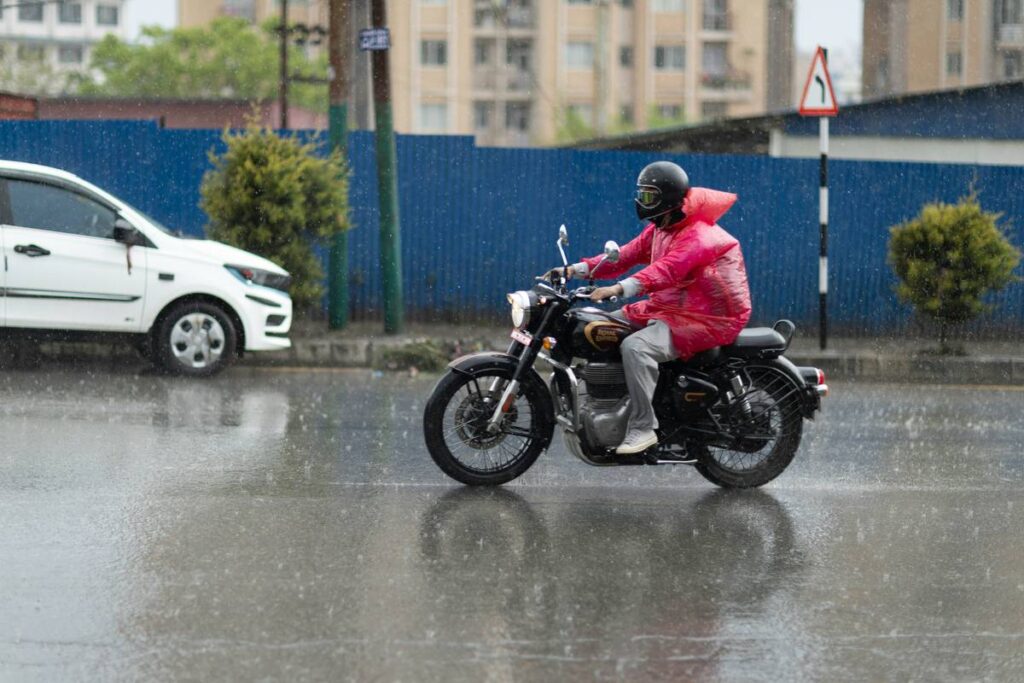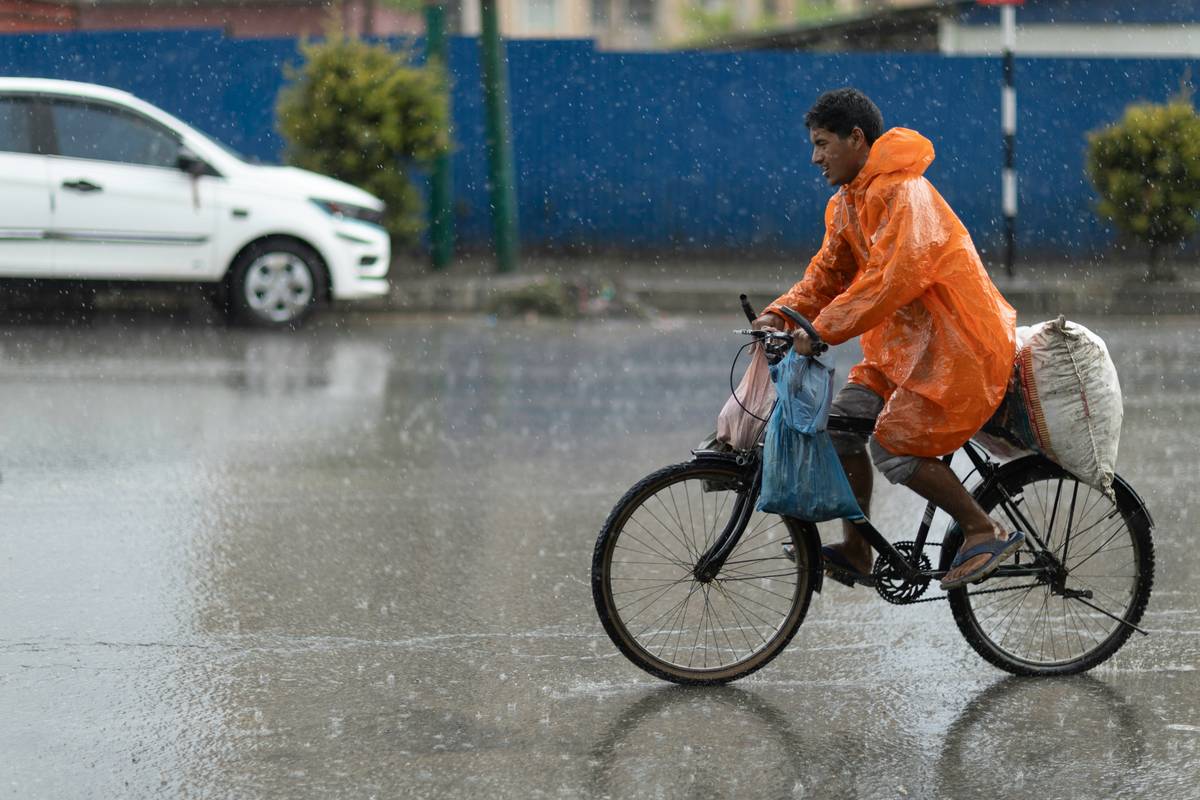
You’re halfway through your morning ride—legs burning, wind in your face—and then it hits: a sideways Tampa deluge. Your cheap rain jacket balloons like a parachute. Water seeps through seams. Your phone’s soaked. And you’re still two miles from work. Standard “waterproof” gear fails cyclists because it wasn’t built for motion, heat, or the unique chaos of two-wheeled travel in Gulf Coast humidity. Cyclist-Friendly Rain Gear isn’t about looking dry—it’s about staying functional when the sky cracks open.
Why Most Rain Gear Betrays Cyclists in Real-World Downpours
Breathability is a myth when you’re pedaling uphill at 15 mph. Many jackets trap sweat faster than they shed rain—turning you into a human sauna wrapped in plastic. Worse, loose hoods flap wildly. Sleeves ride up. Zippers leak. And packability? Forget it. That “ultra-light” shell turns into a soggy brick stuffed under your saddle.
Traditional hiking rainwear assumes you’re moving slowly. Cycling demands dynamic fit, strategic venting, and materials that flex—not just resist water. If your rain jacket doesn’t account for arm pump, torso twist, or airflow over your back, it’s dead weight the moment humidity spikes.
Your Step-by-Step Guide to Surviving Tampa’s Sudden Storms on Two Wheels
Prioritize Articulated Fit Over Fashion
Look for pre-curved sleeves and dropped tail hems. These aren’t stylistic flairs—they prevent fabric bunching at the elbows and lower back when you’re in an aggressive riding position. A straight-cut jacket will ride up, exposing your spine to runoff from your helmet.
Demand Strategic Ventilation—Not Just Pits
Underarm zips help, but they’re not enough. Seek rear mesh panels or laser-perforated zones along the spine. Heat rises—and when you’re bent over handlebars, your core dumps 80% of its excess heat through your upper back. Block that escape route, and condensation builds inside faster than external rain penetrates.
Seam-Sealed ≠ Sweat-Sealed
All critical seams must be taped—but avoid full-taped construction unless you’re riding in monsoon conditions. Fully sealed jackets sacrifice breathability for marginal waterproof gains. For most Tampa showers, critically taped (shoulders, chest, hood) is the smarter balance.
| Rain Gear Feature | Amateur Choice | Cyclist-Friendly Rain Gear Standard |
|---|---|---|
| Fabric Weight | 70D+ (bulky, stiff) | 15D–30D (lightweight, supple) |
| Hood Design | Fixed, non-adjustable | Helmet-compatible, roll-away or stowable |
| Pack Size | Fist-sized or larger | Fits in jersey pocket (<8 oz) |
| Water Resistance | 5,000mm (fails in sustained rain) | 15,000mm+ with DWR refresh capability |
| Ventilation | None or pit zips only | Multi-zone (back, side, cuff) |
The Industry Secret: Your Rain Gear Should Feel Slightly Damp Inside—On Purpose
Here’s what brands won’t tell you: total internal dryness is impossible during hard efforts. The goal isn’t zero moisture—it’s controlled evaporation. Elite cycling rain shells use asymmetric membranes: more breathable on the back (high-sweat zone), more waterproof on the chest (high-rain exposure). This intentional imbalance keeps your core from overheating while shielding your front from wind-driven rain. And Tampa’s humidity? It actually helps—moisture moves outward faster when ambient air already holds vapor. Counterintuitive, but true.
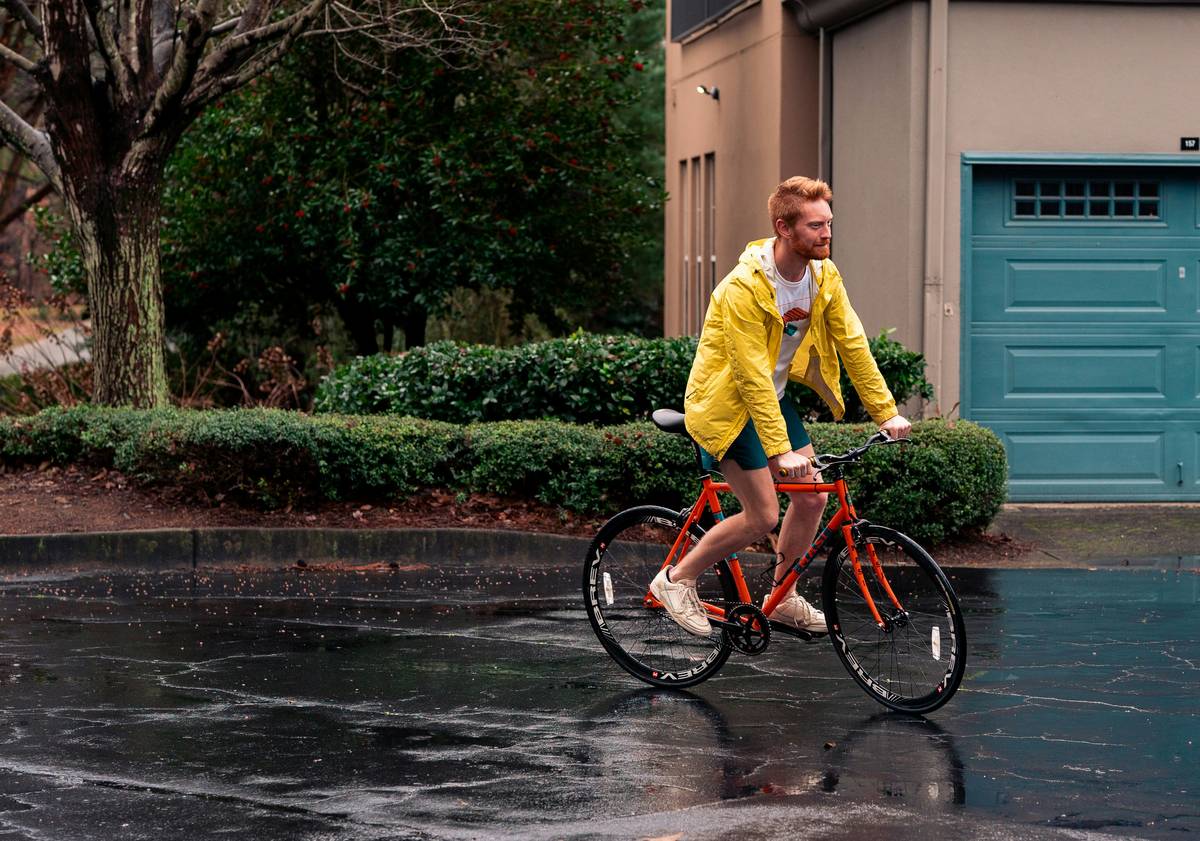
But don’t trust lab specs alone. Real-world testing means riding in 90°F with 80% humidity—because that’s when most “waterproof” gear turns into a pressure cooker. The best pieces feel clammy for 10 minutes… then stabilize. That’s the membrane working—not failing.
Frequently Asked Questions
Is a rain cape better than a jacket for cycling?
Capes offer superb airflow but catch crosswinds like sails. In Tampa’s gusty squalls, they become unstable. Jackets with tailored cuts win for control and safety.
Can I wash my cycling rain jacket regularly?
Yes—but skip detergent. Use tech-wash (like Nikwax Tech Wash) every 3–4 rides. Regular soap strips DWR coatings, killing water beading.
Do I need waterproof pants for short commutes?
Only if riding >20 minutes in heavy rain. For quick dashes, water-resistant tights with a DWR finish outperform bulky rain pants that trap leg heat.