Your backpack just got soaked. Again. You’re halfway through a mountain trek in the Pacific Northwest—rain slicing sideways—and your supposedly “water-resistant” pack is leaking like a sieve. Inside: your camera, spare clothes, sleeping bag… now all damp, musty, borderline useless. Panic sets in. But what if I told you the fix isn’t better gear—it’s smarter coverage?
Why Most Backpack Rain Covers Fail When It Matters Most
Not all Backpack Rain Covers are built equal. The cheap ones you grab at airport gift shops? They shred in wind. The generic universal-fit models? They billow like sails, catch branches, and slip off on steep descents. Even high-end packs with integrated rain covers often use flimsy 20D nylon that tears after two uses.
Here’s the reality: water intrusion isn’t just about holes—it’s about fit, material tensile strength, and how quickly you can deploy it mid-downpour. Most travelers wait until it’s already raining to fumble for their cover. By then, it’s too late.
Your Step-by-Step Guide to Choosing and Using Backpack Rain Covers That Actually Work
Measure Before You Buy
Backpack volume ≠ cover size. A 50L pack might need a 65L cover if it’s loaded with straps and external gear. Check your pack’s max dimensions (height x width x depth), not just liters.
Prioritize Material Over Brand Name
Look for 40D+ ripstop nylon with PU or silicone coating. Anything below 30D will puncture on granite or sharp branches. And avoid PVC—it cracks in cold weather.
Deployment Speed Is Everything
If it takes more than 15 seconds to secure your cover in driving rain, you’ve lost. Practice at home. Store it in an outer pocket—not buried under your tent.
| Cover Type | Material Thickness | Avg. Lifespan | Best For |
|---|---|---|---|
| Budget Universal | 15–20D | 1–2 trips | Day hikes, light drizzle |
| Premium Custom-Fit | 40–70D | 20+ trips | Backpacking, monsoons, alpine storms |
| Integrated (built-in) | 20–30D | 5–8 trips | Urban travel, quick showers |
| Diy Emergency Wrap | N/A (trash bag) | 1 time | Last-resort survival only |
The Industry Secret: Waterproofing Starts From the Inside Out
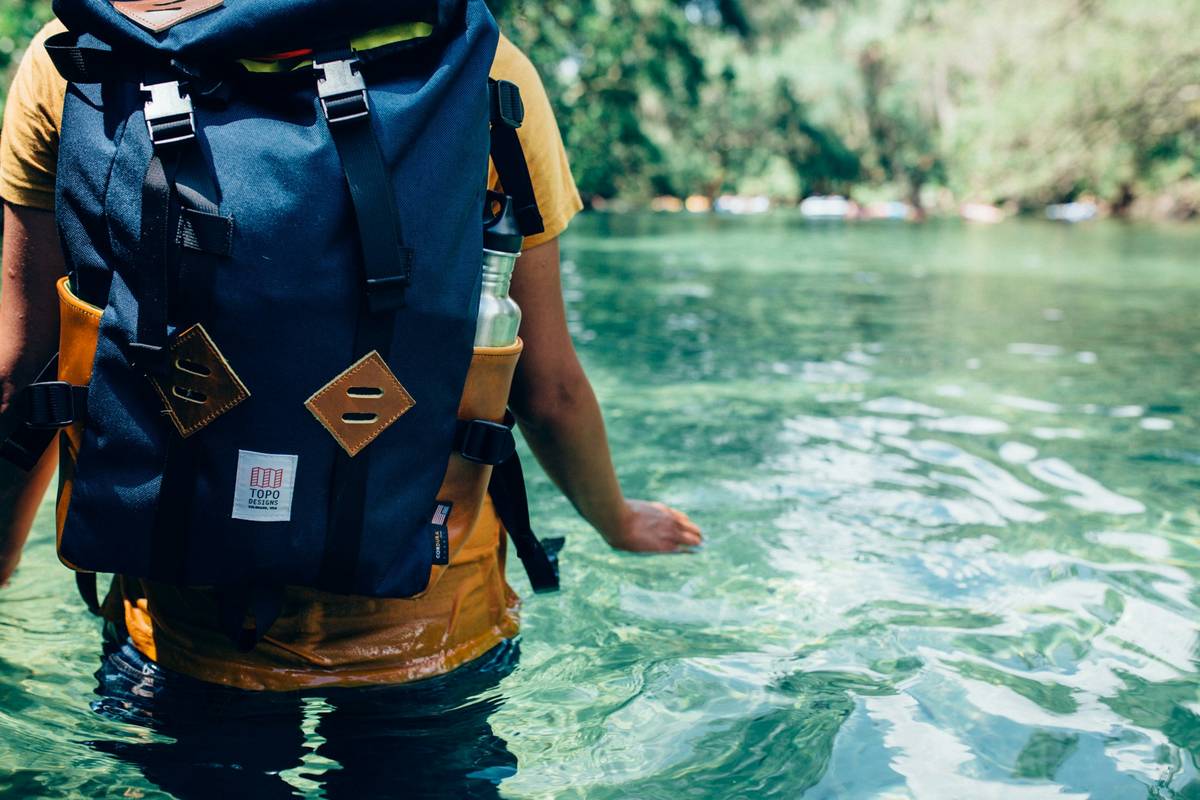
Most travelers obsess over exterior protection—but seasoned expedition guides do something radical: they line their packs with dry bags *before* adding a rain cover. Why? Because no cover seals perfectly at the opening. Water creeps in through zippers, shoulder straps, even ventilation panels.
Think about it: a $12 dry sack inside your main compartment protects electronics and down insulation far better than any outer shell alone. The Backpack Rain Covers handle 90% of the deluge; internal dry bags catch the sneaky 10%. It’s redundant defense—and it works. Major outfitters like Patagonia quietly recommend this dual-layer approach but rarely advertise it (less drama = fewer sales).
Frequently Asked Questions
Do backpack rain covers work in heavy wind-driven rain?
Only if they’re snug-fitting and have tension straps. Loose covers act like parachutes—ripping off or funneling water inward. Always choose models with adjustable hem cords.
Can I reuse disposable rain covers?
Barely. Those thin polyethylene sleeves tear after one use. Reuse only in emergencies—and never rely on them for anything valuable.
Are backpack rain covers necessary if my pack is “water-resistant”?
Absolutely. Water-resistant ≠ waterproof. Prolonged exposure saturates fabric seams. A proper cover is non-negotiable for multi-day wet conditions.