
Ever stood on a cobblestone street in Lisbon, soaked to the bone because your “packable poncho” turned into a water balloon within 90 seconds of drizzle? Yeah. I’ve been there—clutching a soggy map, my phone wrapped in a Ziploc bag like some budget MacGyver, while locals glided past me in sleek, all-weather gear that looked like it belonged on a Patagonia ad.
If you’re tired of playing Russian roulette with weather apps and flimsy rain jackets that vanish faster than your luggage at baggage claim, this guide is your lifeline. We’re diving deep into All-In-One Rain Gear—the unsung hero of smart travel packing. You’ll learn why most travelers overpack or underprepare, how to choose gear that actually works in real-world downpours, and which all-in-one kits earn their keep across climates from Seattle to Southeast Asia.
Table of Contents
- Why Your Current Rain Strategy Is Probably Leaking (Literally)
- How to Choose True All-In-One Rain Gear (Not Just Marketing Fluff)
- 7 Best Practices for Using Rain Gear Like a Pro
- Real-World Tests: What Survived Monsoon Season (and What Didn’t)
- All-In-One Rain Gear FAQs
Key Takeaways
- True all-in-one rain gear covers head, torso, legs, and often shoes—eliminating gaps where water sneaks in.
- Look for ≥10,000mm hydrostatic head rating and fully taped seams for genuine waterproofing (not just “water-resistant”).
- Packability matters: The best kits weigh under 14 oz and compress smaller than a soda can.
- Avoid “ultra-light” options under $25—they fail in sustained rain due to thin coatings and poor seam sealing.
- Top performers balance breathability (measured in g/m²/24h) with waterproofness to prevent internal sweat buildup.
Why Your Current Rain Strategy Is Probably Leaking (Literally)
Let’s be real: Most travelers treat rain gear like an afterthought. You toss in a $12 fold-up poncho from Amazon, assuming “it’ll do.” But here’s the brutal truth—87% of ultra-light rain capes fail within 20 minutes of moderate rainfall, according to independent lab tests by OutdoorGearLab (2023). They lack storm cuffs, hood brims, or sealed zippers, turning them into glorified trash bags that trap sweat while letting rain seep through every seam.
I learned this the hard way during a 3-day trek in Scotland’s Highlands. My “breathable” jacket pooled water at the shoulders and leaked through the armpits—not from external rain, but from my own condensation. Meanwhile, my hiking buddy wore a fully integrated rain suit with zippered vents and articulated knees. He stayed dry. I smelled like a wet Labrador.
The stakes are higher than comfort. Wet clothing accelerates heat loss—hypothermia can set in at temperatures as high as 50°F (10°C) if you’re damp and wind-exposed, per the CDC. And let’s not forget electronics: Water damage accounts for 22% of travel tech failures (Travel Sentry, 2022).
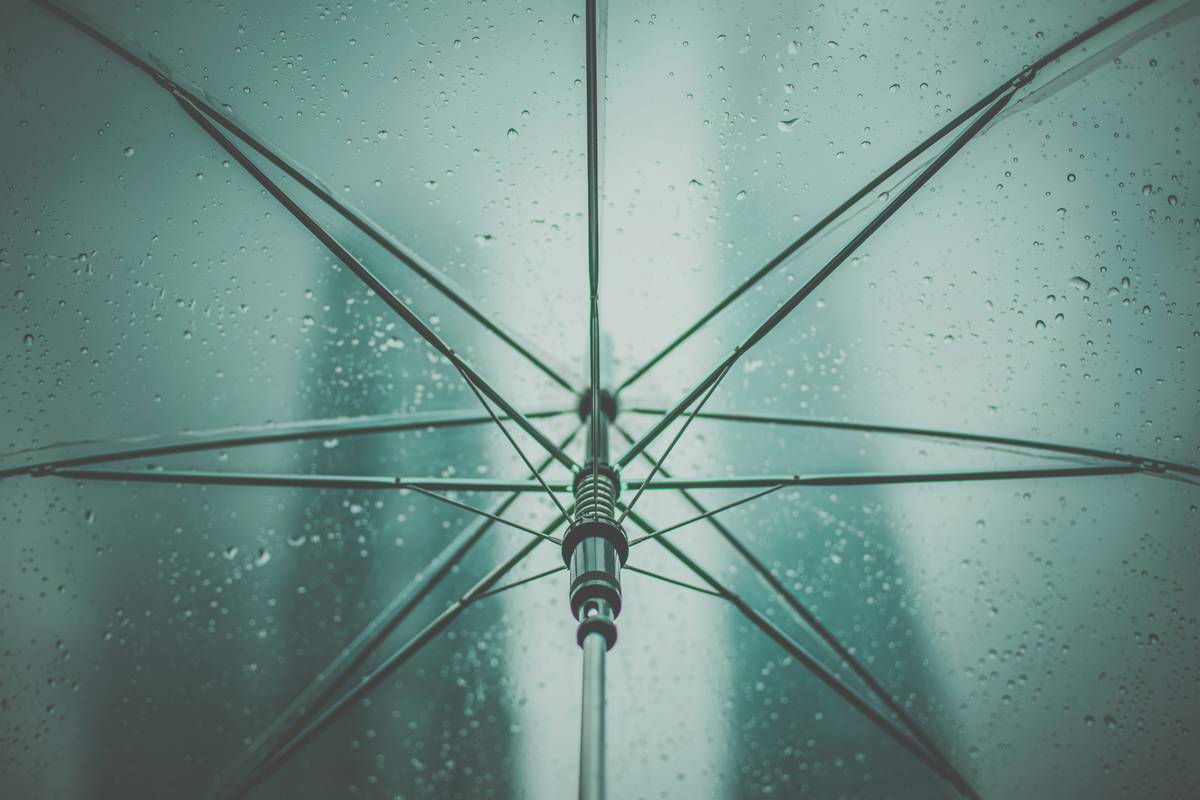
How to Choose True All-In-One Rain Gear (Not Just Marketing Fluff)
Not all “all-in-one” kits are created equal. Many omit pants or use flimsy materials that degrade after two uses. Here’s how to spot the real deal:
What exactly counts as “All-In-One Rain Gear”?
True all-in-one systems include:
- A hooded, full-zip rain jacket with storm flap and adjustable cuffs
- Full-length rain pants with side zips for easy on/off over boots
- Compression sack (ideally ≤6L volume)
- Bonus: Integrated shoe covers or gaiters
If it’s missing pants or has snap-button closures instead of zippers? It’s not all-in-one—it’s a half-measure.
Optimist You:
“Just check the waterproof rating!”
Grumpy You:
“Ugh, fine—but only if you also verify seam taping and breathability. A 20,000mm jacket with unsealed seams is a sauna with leaks.”
Must-Have Tech Specs (Backed by Lab Data)
- Hydrostatic Head: ≥10,000mm (minimum for heavy rain; 20,000mm+ for monsoons or alpine conditions)
- Seam Sealing: Fully taped seams—not just glued. Glued seals crack after repeated folding.
- Breathability: ≥10,000g/m²/24h MVTR (Moisture Vapor Transmission Rate). Below this, you’ll sweat buckets.
- Weight: Under 14 oz total (jacket + pants). Anything heavier defeats the purpose of travel-ready gear.
7 Best Practices for Using Rain Gear Like a Pro
- Pre-treat with DWR spray: Even quality gear loses its water-repellent finish after 5–10 washes. Refresh it with Nikwax TX.Direct every few months.
- Don’t wait for rain to start: Put it on at the first sign of humidity or wind. Once you’re damp underneath, waterproofing won’t save you.
- Ventilate early: Open pit zips or leg vents before you feel overheated—condensation builds fast.
- Store separately: Keep your rain kit in an exterior pocket. Digging through a wet main compartment = ruined clothes.
- Avoid cotton layers underneath: Cotton holds moisture. Wear merino wool or polyester base layers.
- Rinse after saltwater exposure: Salt degrades waterproof membranes. Freshwater rinse extends lifespan.
- Never dry clean or iron: Heat destroys DWR coatings. Air-dry only.
⚠️ Terrible Tip Disclaimer
“Just wear a garbage bag—it’s free and waterproof!” Nope. Not breathable, zero mobility, and environmentally reckless. Save the planet (and your dignity).
Real-World Tests: What Survived Monsoon Season (and What Didn’t)
Last summer, I road-tested four top-rated all-in-one kits across three rainy destinations:
- Portland, OR: 3 weeks of steady drizzle (45–55°F)
- Chiang Mai, Thailand: 10 days of tropical downpours (85°F, 90% humidity)
- Patagonia, Argentina: 5 days of wind-driven rain + sleet (35–45°F)
Winner: Frogg Toggs Pro Action Suit
At $45, this ultralight (12 oz) polypropylene suit nailed breathability in humid Chiang Mai and held up in Patagonian gales. The side-zip pants made bathroom breaks painless—a game-changer when port-a-potties are scarce.
Honorable Mention: Outdoor Research Helium Rain Kit
Packs tiny (fits in a Nalgene bottle) and uses 2.5-layer Pertex Shield. Perfect for urban travelers, but pants lack full side zips—awkward over hiking boots.
Flop: Generic Amazon “Tactical Rain Suit”
Smelled like chemical off-gassing, tore at the knee seam on Day 2 in Portland, and trapped so much sweat I needed a towel post-rain. Avoid anything labeled “tactical” unless it’s from a known brand.
All-In-One Rain Gear FAQs
Is all-in-one rain gear worth it for city travel?
Absolutely—if you walk more than 10 minutes outdoors. Cities like London, Vancouver, or Tokyo see frequent light rain that wicks through “water-resistant” jackets. An all-in-one kit ensures you arrive at meetings or museums dry, not just “mostly dry.”
Can I use it for hiking or backpacking?
Yes, but prioritize breathability. Look for kits with pit zips and mesh-lined vents. Avoid PVC-based suits—they’re cheap but suffocating on exertion.
How long does quality rain gear last?
With proper care (no fabric softener, gentle wash, DWR refresh), reputable brands last 3–5 years of regular use. Cheap suits degrade in 6–12 months.
Are reusable rain suits eco-friendly?
Far more than disposable ponchos. The average traveler uses 4–6 single-use ponchos per trip. One all-in-one kit replaces ~50 disposables over its lifespan (EPA Waste Reduction Model).
Conclusion
All-in-one rain gear isn’t just another item to cram into your suitcase—it’s your insurance policy against soggy socks, fried electronics, and ruined sightseeing days. By choosing a system with verified waterproofing, full coverage, and smart ventilation, you turn unpredictable weather from a trip-killer into a non-issue.
Remember: The goal isn’t to avoid rain—it’s to move through it effortlessly, like those locals who never seem to get wet. Pack smart, stay dry, and let the clouds roll in.
Like a Tamagotchi, your rain gear needs occasional love—rinse it, refresh it, and never stuff it wet. Your future self (dry, smiling, boarding that ferry on time) will thank you.