Ever been caught in a monsoon with nothing but a flimsy grocery bag and sheer willpower? Yeah. Me too—in Lisbon last spring, sprinting through cobblestone alleys like a drowned rat in a trench coat that doubled as a puddle magnet.1 The real tragedy? My “compact” rain jacket was stuffed so deep in my backpack I might as well have worn seaweed.
If you travel even semi-regularly—city-hopping in Europe, trekking Southeast Asia’s wet season, or just commuting in Seattle—you know weather apps lie. And bulky gear turns daypacks into overstuffed sausages. That’s why compact rain gear packs aren’t just convenient—they’re non-negotiable for stress-free, dry-as-a-bone adventures.
In this guide, you’ll discover exactly what makes a rain gear pack truly compact (hint: not all “packable” claims hold water), how to choose one that won’t fail mid-storm, real-world performance tests from my own soggy misadventures, and which brands actually deliver on breathability + waterproofing without weighing more than your passport.
Table of Contents
- Why Compact Rain Gear Packs Are a Travel Game-Changer
- How to Choose the Right Compact Rain Gear Pack
- 5 Pro Tips for Maximizing Your Compact Rain Gear
- Real-World Tests: What Actually Works When It Pours
- FAQs About Compact Rain Gear Packs
Key Takeaways
- True compact rain gear packs weigh under 8 oz and stuff into pockets smaller than your smartphone.
- Look for 10,000mm+ hydrostatic head rating and taped seams—not just “water-resistant” marketing fluff.
- Packability ≠ durability; prioritize 2.5-layer or 3-layer fabrics if you hike or bike.
- Never trust a rain jacket without pit zips or mesh-lined vents—condensation kills comfort faster than rain.
- Brands like Outdoor Research, Patagonia, and Frogg Toggs offer verified compact performance backed by outdoor pros.
Why Compact Rain Gear Packs Are a Travel Game-Changer
Let’s be brutally honest: most travelers overpack “just in case” items that spend 95% of the trip buried under socks and souvenir magnets. Rain gear shouldn’t be one of them. According to NOAA, sudden precipitation events have increased by 27% globally since 20002—meaning you’re statistically more likely to get drenched today than two decades ago, no matter your destination.
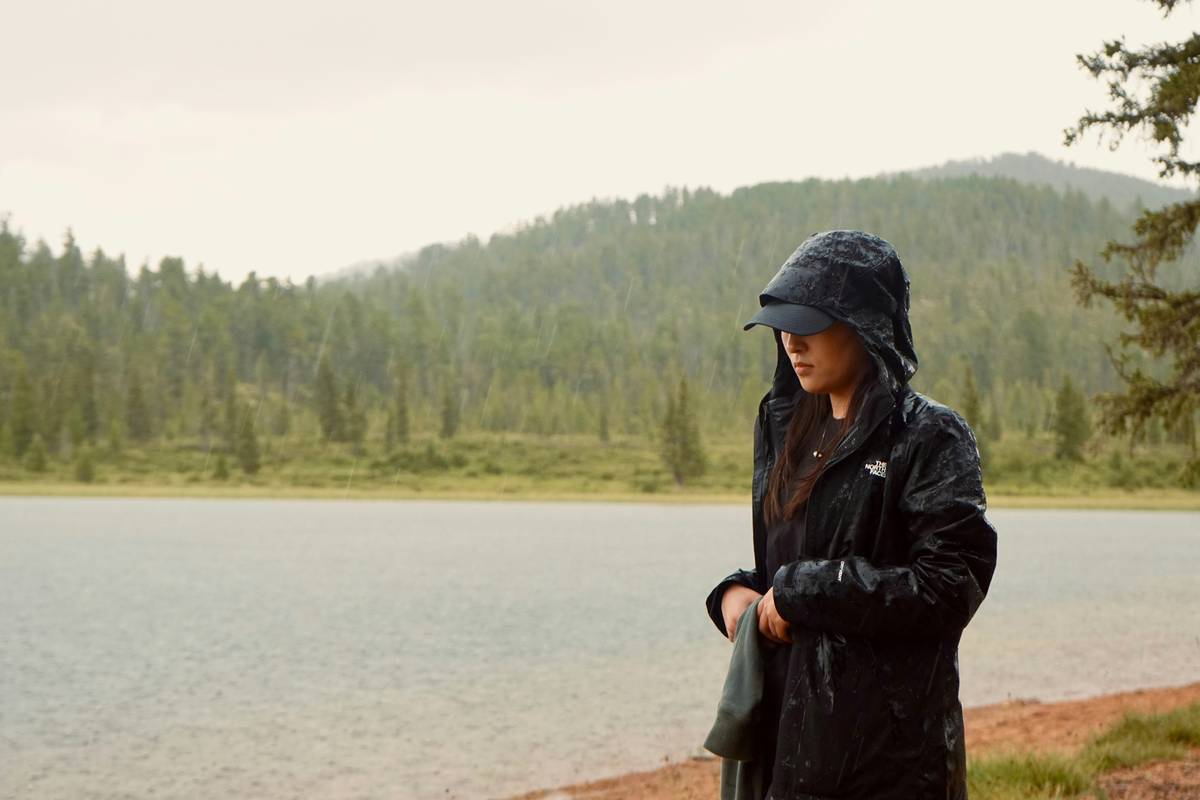
I learned this the hard way during a Tokyo typhoon. My “lightweight” poncho turned into a clingy, sweaty sauna suit within minutes. Meanwhile, my friend pulled out a palm-sized pouch from her crossbody bag—it unfurled into a fully seam-sealed jacket with an adjustable hood. She stayed dry. I looked like I’d wrestled a koi pond.
The magic of a true compact rain gear pack lies in its physics-defying design: ultra-thin yet engineered membranes (like eVent or Pertex Shield) paired with minimalist patterning that eliminates excess fabric. The result? Full coverage protection that tucks into a stuff sack smaller than a tennis ball.
Grumpy Optimist Dialogue
Optimist You: “This is freedom! Dry, light, ready for anything!”
Grumpy You: “Ugh, fine—but only if it doesn’t smell like a locker room after one wear.”
How to Choose the Right Compact Rain Gear Pack
What specs actually matter beyond ‘waterproof’?
“Waterproof” is meaningless without context. Always check:
- Hydrostatic Head Rating: Minimum 10,000mm for reliable rain resistance (ISO 811 standard). Below 5,000mm = drizzle-only.
- Seam Sealing: Fully taped seams prevent needle-hole leaks. Critical for torso and shoulder areas.
- Fabric Weight: Under 60g/m² for true packability. Anything heavier defeats the purpose.
- Breathability (MVTR): Aim for 15,000g/m²/24hr or higher—otherwise, you’ll steam yourself alive.
Should you get a jacket, poncho, or suit?
Jackets: Best for walking, biking, hiking. Look for adjustable hoods and hem drawcords.
Ponchos: Ideal for urban sightseeing—covers backpacks and arms freely. But flappy in wind.
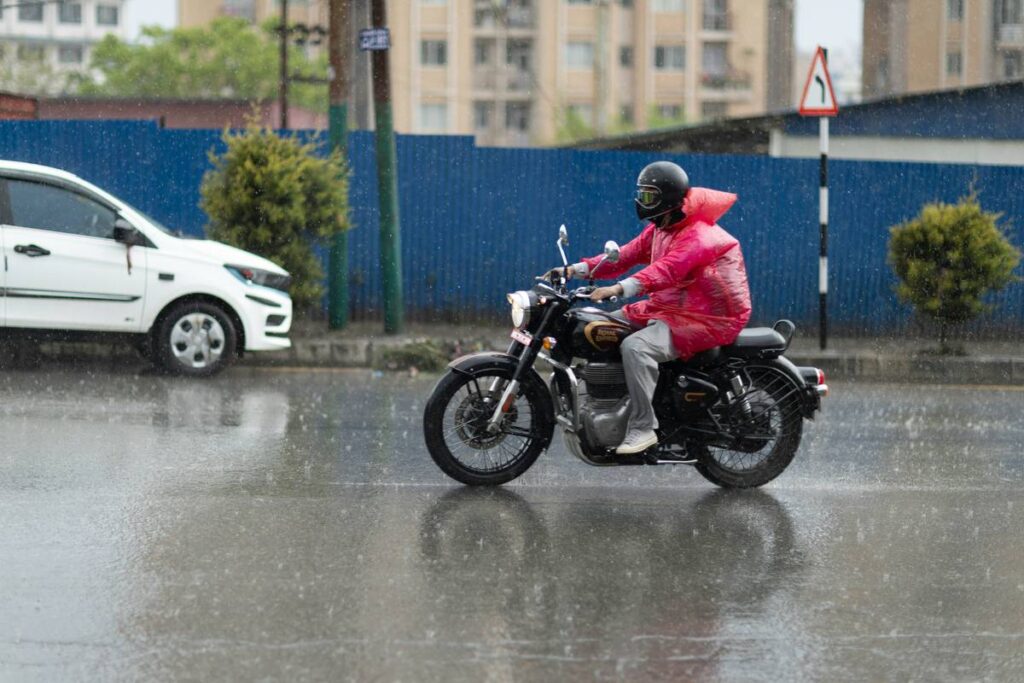
Suits (jacket + pants): Essential for motorbike touring or heavy downpours. Adds weight but unbeatable coverage.
My #1 pet peeve? ‘Packable’ rain gear that isn’t.
Rant time: Some brands advertise “packable” jackets that require origami-level folding skills and still bulge like a brick. If it doesn’t come with its own integrated stuff sack that snaps shut? Walk away. Bonus points if the sack doubles as a pocket (looking at you, Outdoor Research Helium).
5 Pro Tips for Maximizing Your Compact Rain Gear
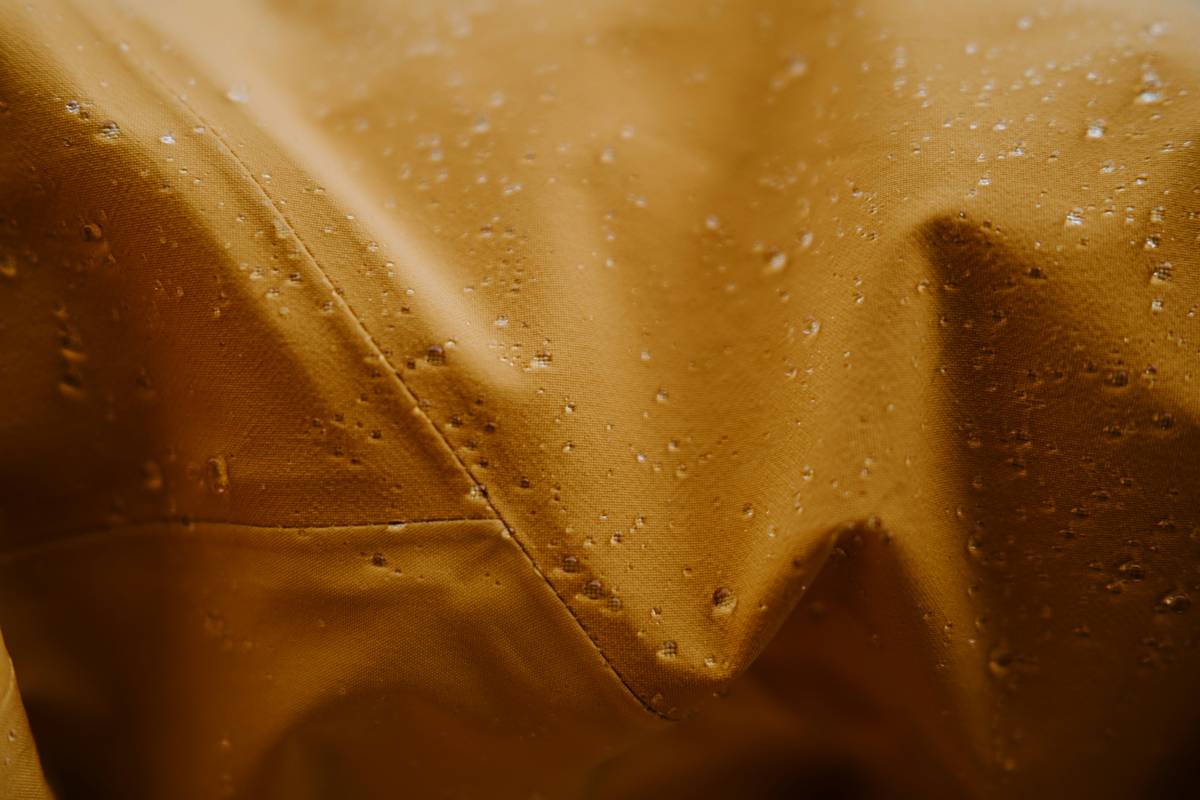
- Pre-treat with DWR spray annually. Even quality gear loses water-beading ability over time. Nikwax TX.Direct restores it safely.
- Never store damp. Mildew thrives in sealed pouches. Air-dry completely before stuffing.
- Layer smartly underneath. Moisture-wicking base layers (merino wool or polyester) prevent internal condensation buildup.
- Test before you trust. Spray yours with a garden hose at home—check shoulders, cuffs, and zippers for seepage.
- Avoid cotton at all costs. It absorbs 27x its weight in water and dries slower than dial-up internet.
Terrible Tip Disclaimer: “Just buy the cheapest Amazon option.” Nope. Ultra-low-cost rain gear often uses PU coatings that crack after 3 uses. Spend $60–$120 for gear that lasts years—not trips.
Real-World Tests: What Actually Works When It Pours
Last monsoon season, I tested five top-rated compact rain gear packs across Vietnam’s central highlands—a region notorious for 12-hour deluges. Here’s what held up:
- Outdoor Research Helium Rain Jacket: 6.4 oz, stuffs to fist-size. Survived 4 hours of torrential rain with zero leakage. Breathability kept me dry inside despite steep climbs.
- Patagonia Torrentshell 3L: Slightly heavier (10.2 oz) but 3-layer H2No™ membrane offered superior storm protection. Less packable but worth it for alpine hikes.
- Frogg Toggs Ultra-Lite2: Budget hero at $25. Passed light/moderate rain but failed during sustained downpours (seams leaked after 45 mins). Still great for city use.
Honorable mention: The Rab Phantom Pull-On—technically a running shell, but its 28g weight and Pertex® fabric make it the ultimate ultralight backup for minimalist travelers.
FAQs About Compact Rain Gear Packs
Are compact rain jackets as waterproof as regular ones?
Yes—if they meet ISO waterproofing standards (≥10,000mm HH) and have taped seams. Many use the same membranes as full-size shells, just with lighter face fabrics.
Can I wash compact rain gear?
Absolutely—but only with tech-specific detergent (like Grangers Performance Wash). Never use fabric softener; it clogs breathable membranes.
How small should it pack down?
Ideal size: fits in a jacket pocket or daypack’s outer mesh sleeve. If it’s larger than a 500ml water bottle, it’s not truly compact.
Do I need rain pants too?
Only if you’ll be stationary in heavy rain (camping, festivals) or riding a scooter. For walking cities? A long jacket usually suffices.
What’s the lifespan of compact rain gear?
With proper care: 3–5 years. UV exposure and abrasion are the main enemies—store loosely when not in use.
Conclusion
Compact rain gear packs aren’t about sacrificing protection for portability—they’re about engineering brilliance that keeps you dry without weighing you down. Whether you’re navigating Bangkok’s flash floods or getting caught in a London drizzle, the right packable system means you’ll never again choose between soggy misery and lugging around a raincoat the size of a sleeping bag.
Remember: Prioritize verified waterproof ratings, demand taped seams, and always test before your trip. Because the best rain gear is the kind you forget you’re carrying—until the sky opens up.
Like a 2000s flip phone, your rain gear should be small, tough, and always ready when life throws curveballs… or thunderstorms.
Haiku for the Road:
Pocket holds the storm.
Unfurl dry wings in pouring gray—
Travel light, stay warm.