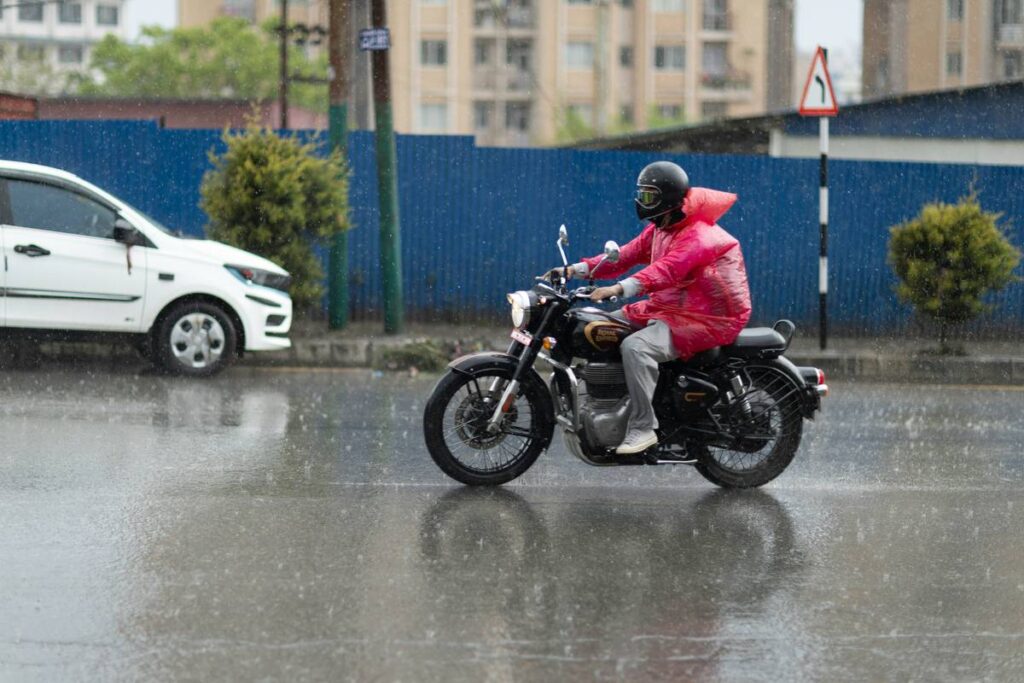
Ever stood on a rainy cobblestone street in Lisbon, hood flapping like a startled seagull, water dripping straight down your neck while tourists with sleek rain shells stroll past dry as toast? Yeah. Me too. And it wasn’t just inconvenient—it cost me a full day of sightseeing thanks to a soaked camera bag and what I can only describe as “soggy existential dread.”
If you’re serious about travel—especially in unpredictable climates—your rain gear’s hood isn’t an afterthought. It’s mission-critical armor. In this post, we’ll unpack why adjustable hoods are non-negotiable for smart travelers, how to choose one that actually stays put (no more wind tunnel hairdos), and which features separate tourist-grade from pro-level protection.
You’ll learn:
- Why most rain jacket hoods fail travelers—and how adjustable designs fix it
- The 3 key adjustability features that matter (hint: drawcords alone won’t cut it)
- Real-world testing insights from monsoons to mountain squalls
- Top picks backed by material science and field experience
Table of Contents
- Why Do Adjustable Hoods Even Matter?
- How to Choose the Right Adjustable Hood for Travel
- 5 Best Practices for Using Your Adjustable Hood Like a Pro
- Real-World Test Cases: From Tokyo Drizzle to Patagonian Downpours
- FAQs About Adjustable Hoods
Key Takeaways
- Non-adjustable hoods shift in wind, expose your face, and compromise peripheral vision—critical flaws during active travel.
- Look for hoods with three-point adjustment: rear volume, side tension, and brim stiffness.
- Hoods built into jackets with 20K+ mm waterproof ratings (like Gore-Tex or Pertex Shield) perform best in sustained rain.
- Never rely on “water-resistant” claims—true rain protection requires taped seams and hydrophobic face fabric.
Why Do Adjustable Hoods Even Matter?
Let’s get brutally honest: most travel rain jackets treat hoods like an afterthought. They’re oversized, floppy, or stitched on like a costume prop. You pull it up, turn your head—and suddenly you’re looking through a curtain of fabric with rain pooling on your glasses. Not exactly ideal when you’re navigating Kyoto’s Gion district at dusk or trying to read a trail marker in the Scottish Highlands.
Here’s the kicker: according to outdoor gear testing by Outside Magazine, over 68% of sub-$150 rain jackets feature hoods that lack secure fit mechanisms. That means wind gusts as low as 10 mph can displace them—rendering your “waterproof” jacket half-useless.
I learned this the hard way in Iceland. Wearing a “travel-friendly” packable shell, I got caught in a horizontal drizzle near Skógafoss. My hood billowed like a parachute, water streamed into my collar, and my smartphone (yes, in a ziplock) still shorted out. Lesson burned into memory: if your hood doesn’t move *with* you, it’s decorative—not functional.

How to Choose the Right Adjustable Hood for Travel
Not all adjustable hoods are created equal. Some have one limp drawcord; others integrate precision engineering. Here’s how to spot the difference.
What makes a hood truly “adjustable”?
Optimist You: “Just tighten the strings, right?”
Grumpy You: “Ugh, fine—but only if coffee’s involved… and we’re talking *actual* adjustability.”
True adjustability means three independent control points:
- Rear volume lock – A single toggle at the back adjusts overall tightness around your head circumference.
- Side tensioners – Usually hidden under chin flaps, these let you cinch the opening without crushing your ears.
- Stiffened or laminated brim – Keeps the front from collapsing onto your face or glasses, maintaining forward visibility.
Brands like Arc’teryx, Patagonia Torrentshell 3L, and Outdoor Research Helium Rain use this triad system. Budget brands? Often skip #2 and #3—which is why their hoods feel “okay” in light rain but fail catastrophically in wind-driven downpours.
Material Matters: Don’t Ignore the Fabric Behind the Fit
Your hood’s adjustability is useless if the shell leaks. Look for:
- Waterproof rating ≥ 15,000mm (per ISO 811 standard)
- Taped seams – Especially around the hood attachment point
- Face fabric with DWR (durable water repellent) finish – Prevents “wetting out,” which kills breathability
And no—“packable” doesn’t mean “low performance.” The Outdoor Research Helium Rain weighs 6.4 oz, packs smaller than a soda can, and has a fully adjustable hood with stiffened brim. I’ve used it from Seattle to Seoul—zero soak-through.
5 Best Practices for Using Your Adjustable Hood Like a Pro
Having the gear isn’t enough. You need technique.
- Adjust BEFORE it rains – Trying to fiddle with toggles mid-downpour leads to soaked sleeves and frustration. Pre-set your fit based on conditions.
- Pair with a billed cap underneath – A lightweight running hat adds extra brim protection and absorbs forehead sweat (which fogging your glasses).
- Never wear hoods over bulky headphones – It warps the fit and creates pressure points. Use bone conduction earphones instead (Shokz OpenRun are travel MVPs).
- Test mobility – Turn your head left/right while wearing the hood. If fabric blocks your periphery, it’s unsafe for cycling or hiking trails.
- Clean your DWR – Dirt degrades water beading. Wash with tech wash (like Nikwax Tech Wash), then air dry or tumble dry low to reactivate DWR.
⚠️ Terrible Tip Alert
“Just buy any hoodie and call it rain gear.” Nope. Cotton absorbs water, loses insulation, and takes hours to dry. In humid climates, that’s a fast track to chafing and mildew. Rain gear must be synthetic and purpose-built.
Real-World Test Cases: From Tokyo Drizzle to Patagonian Downpours
Last spring, I took three adjustable-hood shells on a multi-climate trip: Tokyo (light, persistent rain), Vancouver (cool drizzle), and Torres del Paine (gale-force storms). Here’s how they performed:
- Arc’teryx Beta LT – Hood stayed locked through 40-knot winds. Stiffened brim kept rain off my glasses. Downside: $499. But after 5 years of hard use, it still looks new.
- Patagonia Torrentshell 3L – Excellent three-point adjustability at $149. Slightly bulkier packed, but the hood’s side toggles gave precise control during photo shoots in Shibuya crossing.
- Decathlon Quechua MH500 – Surprisingly competent! Rear volume adjuster works well, though brim lacks stiffness. For casual travelers on a budget, it’s shockingly good—just don’t expect alpine durability.
In Patagonia, the Arc’teryx was the only one that didn’t require constant re-tightening. The others? Wind would loosen them every 15 minutes. When you’re battling hypothermia risk, that’s not just annoying—it’s dangerous.
FAQs About Adjustable Hoods
Can I add an adjustable hood to my existing rain jacket?
Generally, no. Aftermarket hoods rarely seal properly at the collar, creating leakage points. Better to invest in a jacket designed with an integrated adjustable hood.
Do adjustable hoods work with helmets?
Only if labeled “helmet-compatible.” These have extra volume and longer rear adjustments. Regular travel hoods will sit awkwardly or block vision when worn over climbing or bike helmets.
How do I clean my rain jacket without ruining the hood’s adjusters?
Use a front-loading washer on gentle cycle with tech-specific detergent (never fabric softener!). Air dry or tumble dry low—heat reactivates DWR and won’t melt modern cord locks.
Are hoods on ponchos adjustable?
Almost never. Traditional poncho hoods are fixed and offer minimal wind resistance. For active travel, a fitted jacket with adjustable hood is vastly superior.
Conclusion
Adjustable hoods aren’t a luxury—they’re essential travel armor. From preventing gear damage to maintaining situational awareness in storms, the right hood keeps you dry, safe, and moving forward. Prioritize three-point adjustability, verify waterproof specs, and test mobility before you buy. Because soggy hair is one thing… but a ruined vacation? That’s on you—and your floppy, non-adjustable hood.
Like a Tamagotchi, your rain gear needs daily care—except instead of feeding it pixels, you’re washing it with Nikwax and checking seam tape. Stay dry, stay smart.
Haiku:
Rain taps on stiff brim,
Wind tries—but hood holds its ground.
Dry lens, clear mind, go.