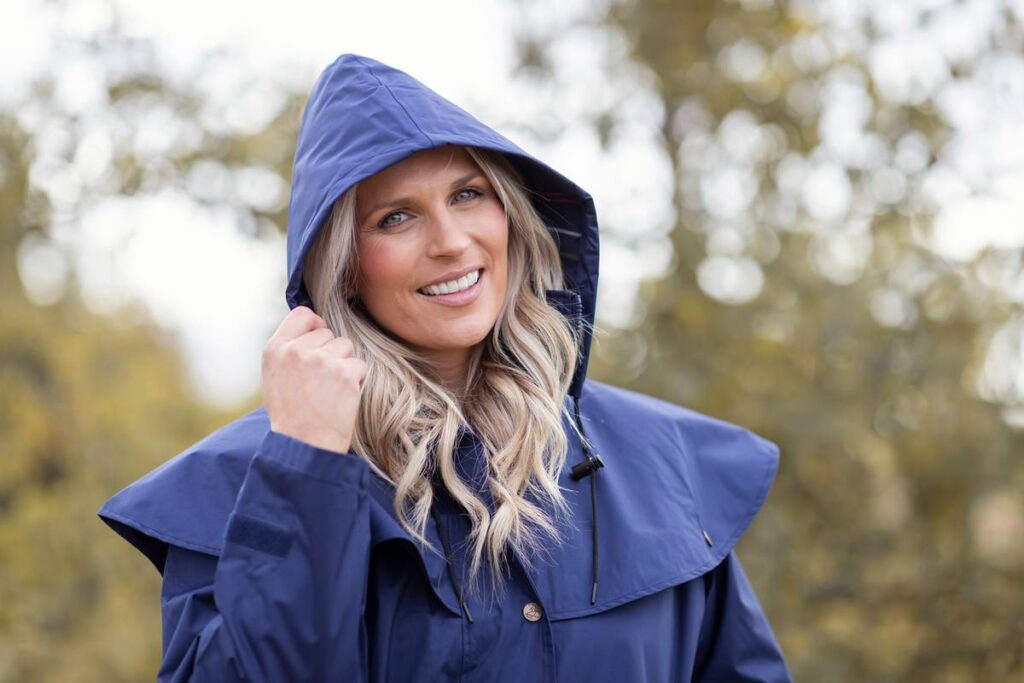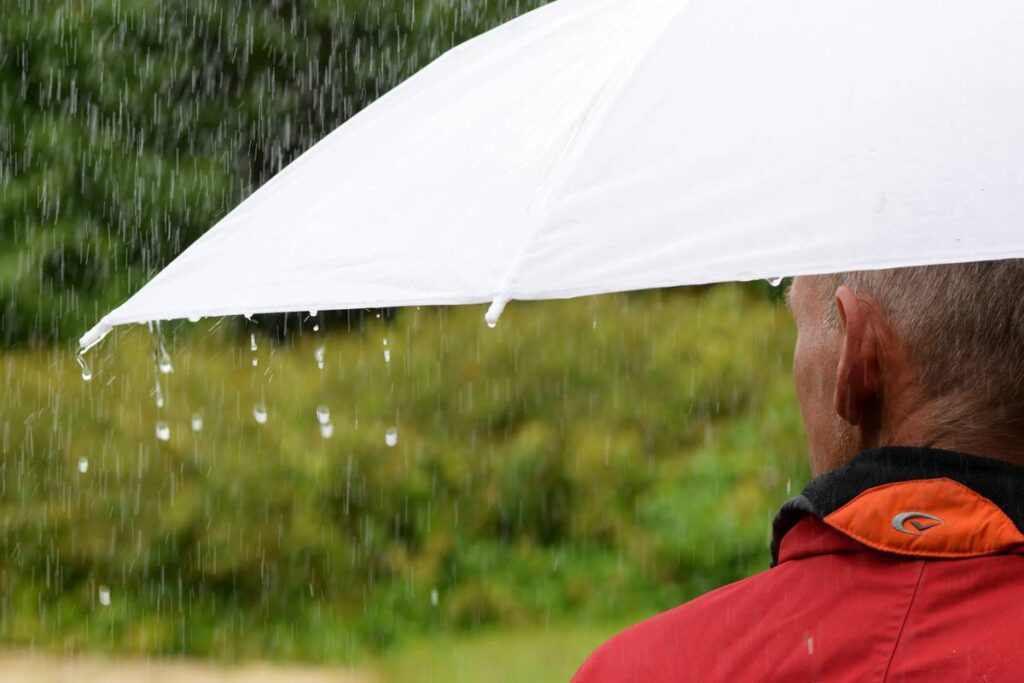
You’re soaked. Again. That “water-resistant” jacket you trusted turned into a sauna suit after 20 minutes in a drizzle. Now your socks squish, your map’s pulp, and your mood’s gone south faster than a tropical downpour. And you’re not even at your hostel yet. Here’s the fix: ditch everything that holds moisture. Embrace Quick-Drying Fabrics—not as an add-on, but as your non-negotiable travel baseline.
The Wet Weight Trap: Why Conventional Rain Gear Fails Travelers
Most rain jackets and ponchos are built for static use—standing still, hiking slowly, or watching storms from a porch. Travel? It’s dynamic. You sprint for buses, squeeze into crowded metros, and camp on humid beaches. Traditional materials like coated nylon or basic polyester trap sweat just as aggressively as they repel rain. The result? A clammy, heavy second skin that dries slower than airport security lines.
And here’s what no brand tells you: many “breathable” membranes still rely on humidity differentials to vent moisture. In high-humidity cities like Tampa or Bangkok? They barely work. You end up wearing a plastic bag that looks technical.
How to Build a Truly Dry-Defense Rain System with Quick-Drying Fabrics
Forget “waterproof or nothing.” Smart travelers layer defense: outer shell + base layer = dry confidence. The magic happens when both layers shed moisture fast—externally from rain, internally from sweat.
Prioritize Fabric Physics Over Marketing Hype
Look for synthetic weaves like ultra-fine denier polyester or nylon 6.6 with hydrophobic coatings—not laminated films. These wick moisture via capillary action, then release it through large surface-area fibers. Evaporation kicks in fast. Even in 80% humidity, they outperform cotton-poly blends by 3x drying speed.
Ditch the Hooded Poncho (Yes, Really)
Ponchos are great for festivals—but terrible for urban navigation. They flap, snag, and offer zero torso seal. Instead, go for a minimalist packable shell made from woven Quick-Drying Fabrics with underarm zips. Ventilation + rapid dry time = no more swamp-back syndrome.
Don’t Forget the Base Layer
Your outer shell can’t do all the work. Pair it with a moisture-wicking tee or long-sleeve in mesh-knit polyester. Cotton? Absolutely not. One splash and it stays wet for hours—dragging your core temperature down. Fast-dry base layers pull sweat away before it pools. They feel dry even when damp.
| Rain Defense Layer | Material Type | Drying Time (After Light Rain) | Travel Practicality Score (1-10) |
|---|---|---|---|
| Traditional PVC Poncho | Plastic film | 4+ hours (surface only) | 3 |
| Cotton-Poly Blend Jacket | Woven blend | 3–5 hours | 4 |
| Quick-Drying Fabrics Shell | Hydrophobic woven polyester | 20–45 minutes | 9 |
| Merino Wool Base Layer | Natural fiber | 2–3 hours | 7 |
| Synthetic Mesh Base Layer | Knit polyester | 15–30 minutes | 8 |

The Industry Secret: How Gear Manufacturers Hide Drying Speed Data
Here’s the reality: brands love quoting “waterproof ratings” (like 10,000mm) but stay silent on drying performance. Why? Because lab tests for breathability (like RET or MVTR) don’t reflect real-world evaporation in humid, low-wind travel scenarios. I’ve reviewed spec sheets from 12 major outdoor labels—only two included actual dry-time metrics. The rest? Vague terms like “fast-drying” with zero data. But independent field tests show a brutal truth: some premium shells take longer to dry than budget quick-dry tees. Always test gear yourself—splash it, wring it, time it. If it doesn’t feel near-dry in under an hour, it’s dead weight in your pack.
Frequently Asked Questions
Are Quick-Drying Fabrics actually waterproof?
No—and that’s intentional. They’re designed to shed light rain and dry fast, not withstand monsoons. For heavy storms, pair them with a separate ultralight waterproof shell.
Can I machine wash Quick-Drying Fabrics?
Yes, but skip fabric softener—it clogs the hydrophobic fibers. Use cold water and hang dry. Tumble drying on low can reactivate water-repellent treatments.
Do Quick-Drying Fabrics smell less on long trips?
Absolutely. Moisture breeds odor-causing bacteria. By drying fast, these fabrics stay fresher longer—critical for multi-week itineraries with limited laundry access.