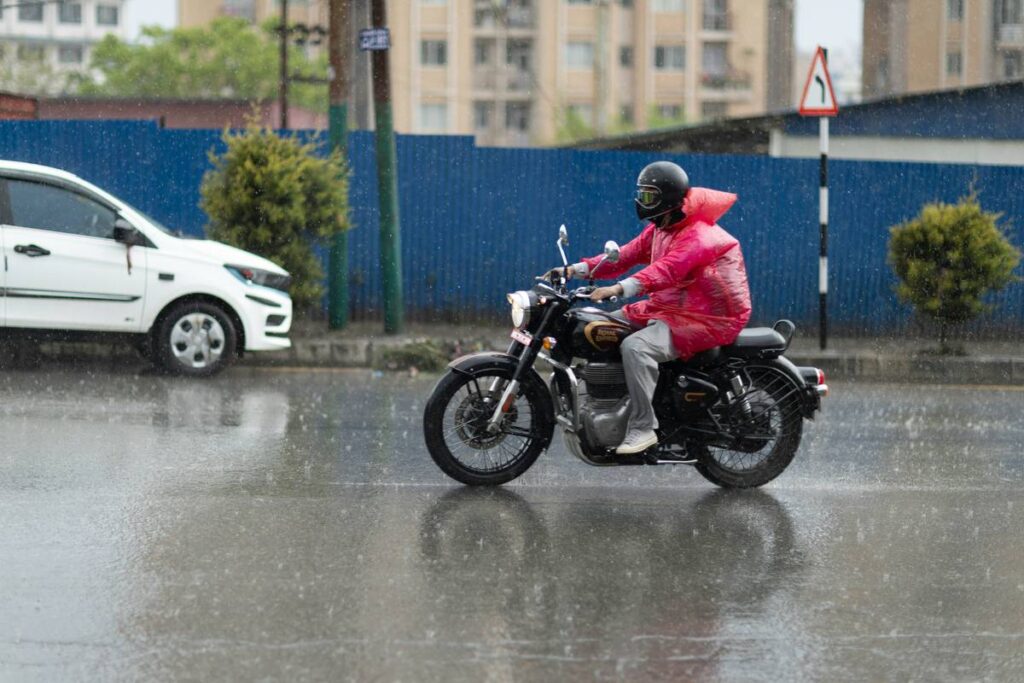
You land in Seattle. Sky opens. Suitcase wheels sink into puddles. Your “water-resistant” bag? Drenched. Clothes soaked. Electronics fried. All because you assumed your luggage could handle a little rain. The fix isn’t pricey gear—it’s one overlooked shield: a rain cover for luggage. Lightweight, packable, and shockingly effective.
The Real Reason Your Suitcase Fails in the Rain
Most “durable” suitcases aren’t waterproof—they’re water-resistant at best. That means light drizzle might bead off, but sustained rain seeps through zippers, seams, and fabric pores. Airlines stack bags like Tetris blocks on tarmacs. One downpour = 30 minutes of direct exposure. And even if your shell holds, moisture migrates inward via condensation.
Hard-shell polycarbonate looks tough—but gaps around handles and wheels are entry points. Soft-shell nylon? Often treated with DWR (Durable Water Repellent) that wears off after 6–12 months. You’re flying blind.
How to Choose and Use the Right Rain Cover for Luggage
Not all covers are equal. Some tear on first use. Others slip off mid-storm. Here’s how to get it right—without wasting $50 on gimmicks.
Material Matters More Than Brand
Polyurethane-coated polyester beats cheap PVC. It’s lighter, quieter, and doesn’t crack in cold temps. Look for 210D–420D denier thickness—anything less rips when snagged on suitcase corners.
Fit Isn’t Optional—It’s Physics
A loose cover flaps in wind, exposing gaps. A tight one strains seams. Measure your bag’s height + width + depth. Add 4 inches total. That’s your ideal cover size. Pro tip: universal-fit covers work if they have elastic hems and adjustable straps.
Deployment Speed Saves Gear
If it takes more than 15 seconds to deploy, you’ll skip it. Best designs unfold like origami—one shake, pull over the top, secure with clips or drawstrings. Practice at home once. Never scramble at baggage claim again.
| Type | Average Cost | Weight | Deployment Time | Best For |
|---|---|---|---|---|
| Universal Elastic-Hem Cover | $12–$22 | 3–5 oz | 8–12 sec | Carry-ons & checked bags up to 28″ |
| Custom-Branded OEM Cover | $25–$45 | 4–7 oz | 10–20 sec | Luxury hard-shell suitcases (Rimowa, Away) |
| Diy Trash Bag Hack | $0.10 | 1 oz | 45+ sec | Emergency only—rips easily, zero security |
The Industry Secret Airlines Won’t Tell You
Here’s what baggage handlers know: airlines rarely compensate for water damage. Their policy fine print excludes “weather-related incidents.” Even if your laptop fries from rain leakage, you’re out of luck. Yet most travelers assume insurance or warranties cover it. They don’t. A $15 rain cover is the only real protection—and it weighs less than your passport.
Think about it: you insure your flight, your health, your car. But not the $300 contents of your suitcase against something as predictable as rain? That’s not frugal—it’s gambling.
Frequently Asked Questions
Do rain covers work for carry-on luggage?
Yes—especially during gate-checks or unexpected tarmac walks. Compact covers stow in side pockets and deploy faster than you can say “delayed flight.”
Can I reuse a rain cover multiple times?
Absolutely. Quality covers last 50+ uses if stored dry. Avoid folding along the same creases to prevent micro-tears.
Are rain covers allowed through TSA security?
Yes. They’re non-restricted items. Keep one in your personal item—it’s your first line of defense during sudden storms post-security.