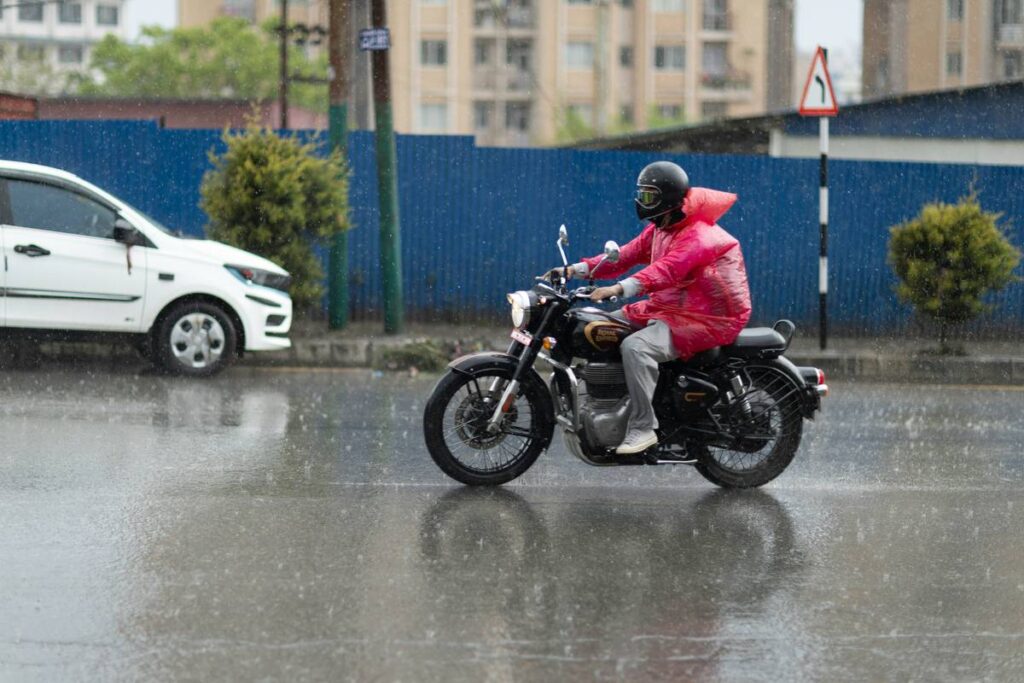
You’re halfway through your trek in the Smoky Mountains when the sky cracks open. Your “water-resistant” jacket? Soaked through in minutes. Your backpack? A soggy mess. Standard rain gear fails when it matters most. But downpour gear rain protection should you actually trust it? The answer isn’t just yes—it’s *only if* you pick the right kind.
Why Most Rain Gear Fails in a Real Downpour
Most travelers grab whatever raincoat is on sale at the airport. Big mistake. Those thin, crinkly shells might block mist—but not driving rain. And they trap sweat like a sauna. You end up damp from both sides. Not exactly ideal when you’re miles from shelter.
Even some “premium” jackets use outdated membranes that clog with dirt or degrade after a few washes. The result? Water beads up at first—then seeps in silently while you’re distracted by the view. By the time you notice, your camera, passport, and spare socks are already wet.
How to Choose & Use Downpour Gear That Actually Works
Real downpour protection isn’t about branding. It’s about physics, fit, and foresight. Here’s what separates functional gear from fashion statements:
Waterproof Ratings Matter More Than You Think
A rating of 5,000mm sounds impressive until you learn that steady rain exerts ~1,500mm of pressure—and wind-driven downpours can exceed 10,000mm. Aim for **at least 15,000mm** hydrostatic head rating if you’re serious about staying dry. And don’t forget breathability—measured in g/m²/24hr. Below 10,000? You’ll sweat more than it rains.
Seams Must Be Fully Taped
Water finds the weakest link. If seams aren’t taped, moisture wicks right through needle holes. Look for “fully seam-sealed” — not “critically taped,” which often means only shoulders and hood.
Pack Smart: Protect What the Jacket Can’t
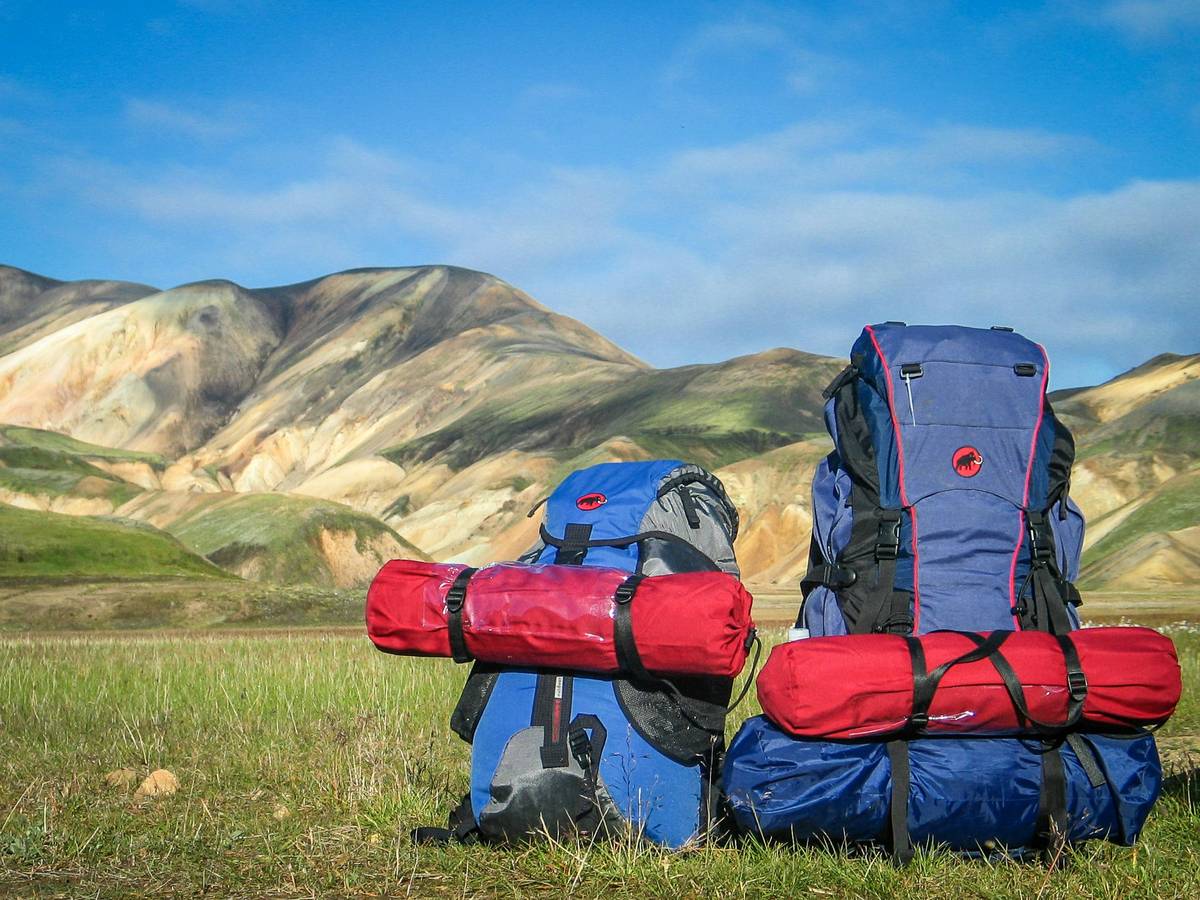
Your torso might be dry, but your daypack? Phone? Trail maps? Use dry bags inside your main luggage. Even better—opt for a pack with an integrated rain cover that snaps taut, not one that flaps uselessly in wind.
| Gear Type | Waterproof Rating (mm) | Breathability (g/m²/24hr) | Seam Sealing | Price Range |
|---|---|---|---|---|
| Budget Poncho | 3,000–5,000 | <5,000 | None | $10–$25 |
| Mid-Tier Rain Jacket | 10,000–15,000 | 8,000–12,000 | Critical areas only | $80–$150 |
| Pro Downpour Gear | 20,000+ | 15,000+ | Fully taped | $200–$400 |
| Ultralight Emergency Shell | 7,000–10,000 | <6,000 | Partial | $40–$70 |
The Industry Secret No Brand Will Admit
Here’s something manufacturers bury in fine print: waterproof ratings drop by 30–50% after just 3–5 washes if you use regular detergent. Why? Surfactants destroy DWR (durable water repellent) coatings. The fix? Wash only with tech-garment cleaners like Nikwax or Grangers—and reapply DWR spray every season. Better yet, air-dry instead of tumble-drying unless the label explicitly says heat-reactivation is needed. Most travelers skip maintenance entirely. That’s why their “premium” jacket fails on trip #2.
And—but—here’s the kicker: sometimes the best downpour defense isn’t gear at all. It’s timing. Check hyperlocal radar apps like MyRadar or Windy. Often, you can wait out the heaviest band under a rock overhang—staying drier than any jacket could manage.
Frequently Asked Questions
Is downpour gear worth the high price?
Only if you face frequent, heavy rain. For occasional showers, mid-tier works. But for monsoons, alpine storms, or tropical hikes, pro-grade gear prevents hypothermia—not just discomfort.
Can I use a rain poncho instead of a jacket?
Ponchos cover more (including your pack) but flap in wind, reducing effectiveness. They’re great for slow walking in warm climates—but fail in cold, blustery conditions where heat retention matters.
How do I test if my rain gear still works?
Spray water on the surface. If it no longer beads and instead soaks into the fabric (“wetting out”), the DWR is dead. Time to clean and re-treat—before your next trip.