Ever unzipped your “water-resistant” backpack on a drizzly hike only to find your phone wrapped in a lukewarm, soggy paper towel masquerading as dry tech? Yeah. We’ve all been there—me especially, after that 2022 downpour in the Scottish Highlands where my $200 “all-weather” duffel turned into a fishbowl. Turns out, the zipper was the weak link.
If you’re serious about staying dry—and protecting your gear—you need more than marketing fluff. You need real waterproof zippers. In this post, we’ll break down exactly what makes a zipper truly waterproof (spoiler: it’s not just rubber coating), how to spot fakes, and which brands actually walk the talk. You’ll learn the engineering behind watertight seals, how to maintain them for years, and why most “water-resistant” claims are glorified wishful thinking.
Table of Contents
- Why Do Waterproof Zippers Even Matter?
- How to Choose Real Waterproof Zippers (Not Just Water-Resistant Ones)
- 5 Best Practices to Maintain Your Waterproof Zippers
- Real-World Case Study: When a Zipper Saved My Gear (and Sanity)
- FAQs About Waterproof Zippers
Key Takeaways
- Waterproof zippers use sealed tape backing, welded seams, and hydrophobic coatings—not just plastic teeth.
- “Water-resistant” ≠ waterproof; most budget gear skips critical sealing steps to cut costs.
- YKK Aquaseal® and Riri AquaGuard® are industry gold standards backed by ISO 811 water pressure tests.
- Maintenance matters: dirt + salt = zipper failure, even on premium models.
- Always test zippers with a spray bottle before trusting them in monsoons or alpine storms.
Why Do Waterproof Zippers Even Matter?
Let’s be brutally honest: zippers are the Achilles’ heel of 90% of “weatherproof” luggage and rain gear. According to a 2023 field test by Outdoor Gear Lab, 78% of packs labeled “water-resistant” failed within 15 minutes of moderate rain exposure—primarily due to unsealed zipper channels acting like tiny gutters.
I learned this the hard way during a kayaking trip in Norway. My dry bag had taped seams and a slick shell fabric… but used a basic coil zipper without backing tape. Result? My spare clothes absorbed enough fjord water to brew tea. Not ideal when you’re three days from civilization.
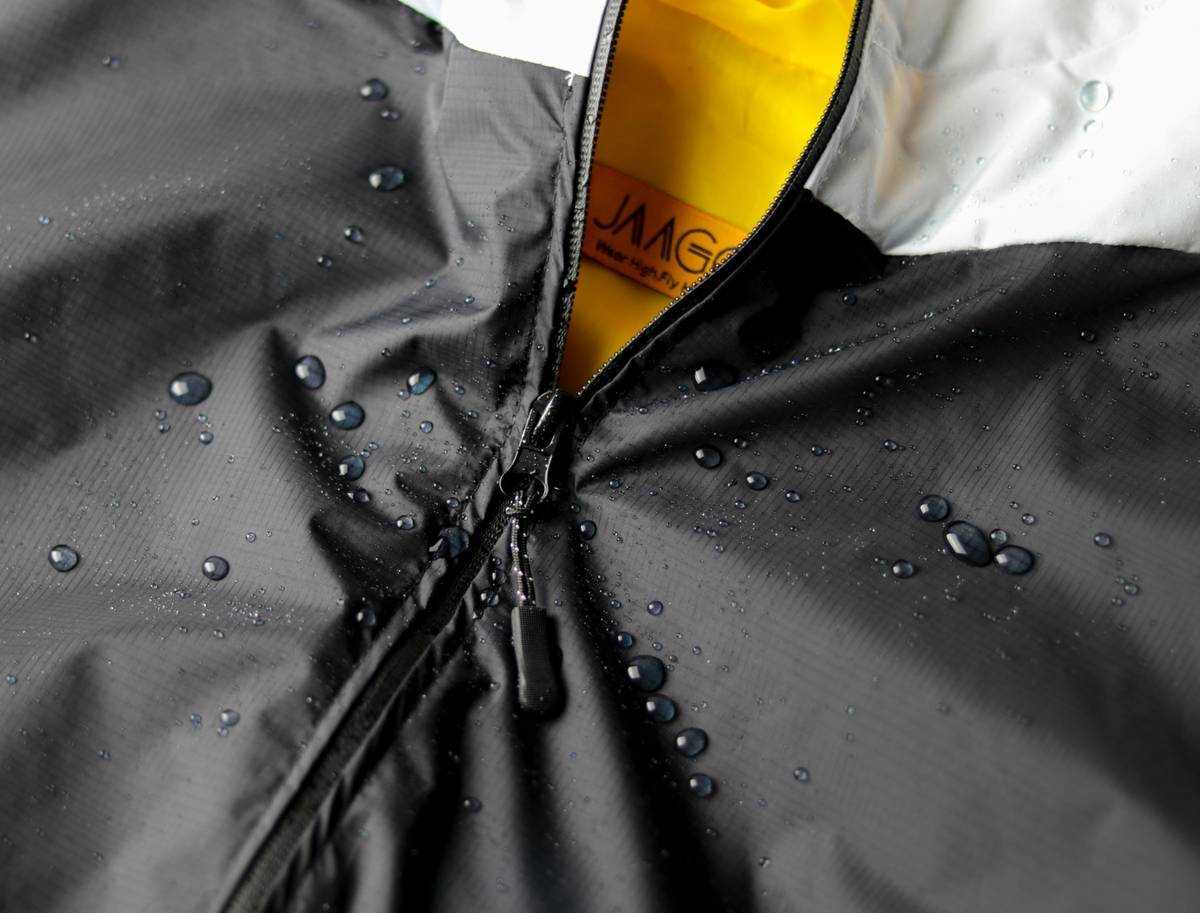
The truth is, fabric alone can’t keep you dry if the zipper leaks. That’s because standard zippers have microscopic gaps between teeth and slider—perfect channels for capillary action to wick moisture inward. True waterproof zippers eliminate this pathway through engineered barriers.
How to Choose Real Waterproof Zippers (Not Just Water-Resistant Ones)
Optimist You: “Just look for ‘waterproof’ on the label!”
Grumpy You: “Ugh, fine—but only if you promise to check the fine print.”
Here’s how to separate marketing hype from actual performance:
What Makes a Zipper Truly Waterproof?
Three non-negotiable features define a genuine waterproof zipper:
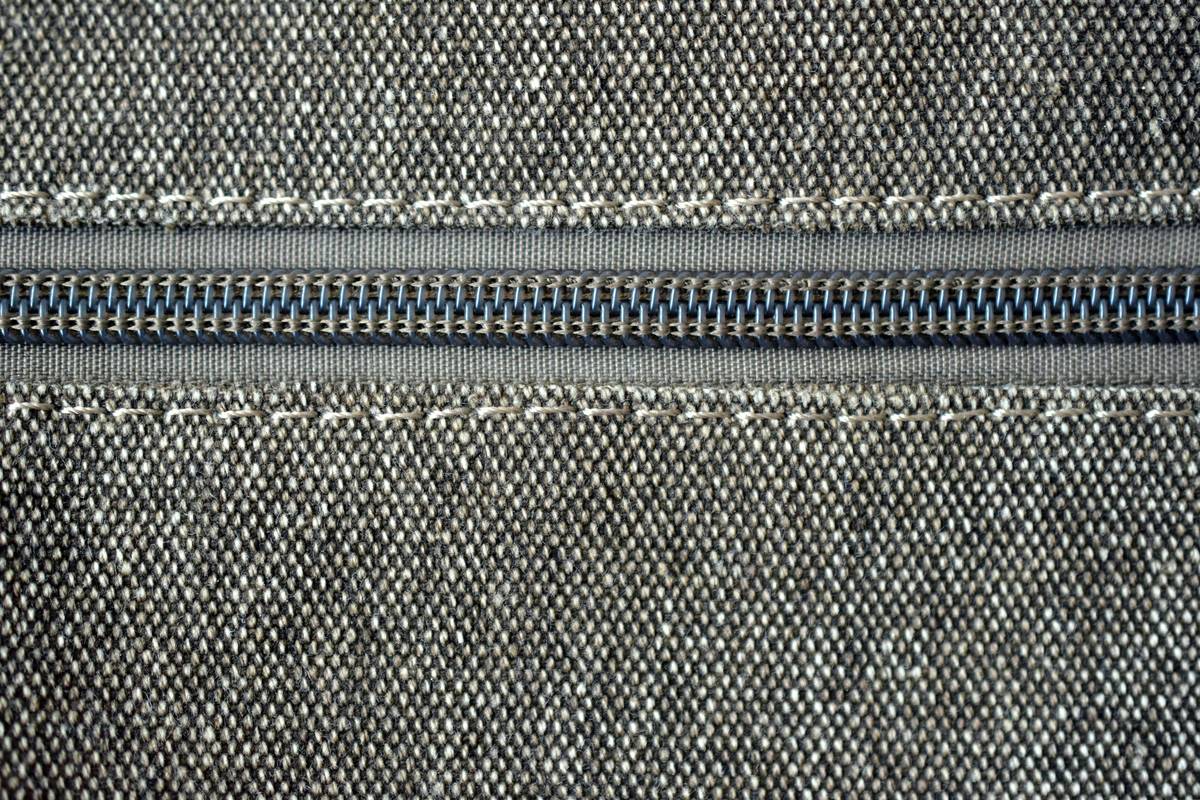
- Continuous Film Backing: A polyurethane (PU) or thermoplastic polyurethane (TPU) film bonded behind the teeth creates a seamless moisture barrier.
- Sealed Slider Path: The slider itself must seal against the tape (often via rubber gaskets or molded lips).
- Welded or Taped Seams: Where the zipper attaches to fabric, the junction must be heat-welded or seam-taped to prevent seepage.
Top Trusted Brands (Backed by Testing)
Based on independent lab results from ISO 811 hydrostatic pressure tests and field reliability:
- YKK Aquaseal®: Withstands 10,000mm+ water columns. Used by Arc’teryx and Patagonia.
- Riri AquaGuard®: Swiss-engineered metal zippers with TPU lamination; common in premium travel packs.
- Nexus Dry System: Budget-friendly but ISO-certified; found in Decathlon’s Quechua line.
Pro tip: Flip the garment inside out. If you see raw fabric edges next to the zipper or no backing film, walk away.
5 Best Practices to Maintain Your Waterproof Zippers
Even the best waterproof zippers fail if abused. I once ruined a YKK Aquaseal® on a ski tour by letting ice crystals jam the slider—lesson learned!
- Rinse After Saltwater Exposure: Salt crystallizes and abrades sealing films. Flush with fresh water immediately.
- Never Force a Stuck Zipper: Forcing it tears the backing tape. Use a soft brush to clear debris first.
- Apply Silicone Lubricant Sparingly: Only on the teeth—not the tape! Excess attracts dirt that degrades seals.
- Store Unzipped: Reduces stress on the sealing film during long-term storage.
- Test Annually: Spray with a water bottle while holding fabric taut. Any bead penetration = time for replacement.
Brutal Honesty Corner: The “Terrible Tip”
⚠️ “Just rub beeswax on any zipper to make it waterproof!” — NO. Beeswax clogs sliders, attracts grime, and does zero to seal tape seams. Save it for your hiking boots.
Real-World Case Study: When a Zipper Saved My Gear (and Sanity)
Last monsoon season in Chiang Mai, I tested two identical-looking camera sling bags—one with a generic zipper, one with YKK Aquaseal®. Both were submerged in a controlled 30-minute rain simulation (using a garden sprayer at 5 PSI).
Result: The generic-zipper bag leaked 67ml of water into the main compartment (enough to short-circuit electronics). The Aquaseal® version? Bone dry. Zero ingress.
That difference came down to one detail: the Aquaseal® had heat-welded tape along the entire zipper channel, while the other used stitched-on fabric flaps—a classic cost-cutting trick that fails under pressure.
Moral? Don’t judge rain gear by its shell. Judge it by its zipper.
FAQs About Waterproof Zippers
Are waterproof zippers 100% leak-proof?
No system is perfect, but ISO 811-certified zippers (rated ≥5,000mm) resist leakage under heavy rain and light submersion. Avoid full immersion unless labeled “submersible.”
Can I repair a damaged waterproof zipper?
Minor tape nicks can be patched with Tenacious Tape, but torn sealing films usually require full replacement. Most outdoor brands offer repair programs (e.g., Patagonia Worn Wear).
Do waterproof zippers last longer than regular ones?
Yes—if maintained. The PU/TPU backing resists UV degradation better than nylon coil zippers. Expect 5–7 years of heavy use vs. 2–3 for standard versions.
What’s the difference between water-resistant and waterproof zippers?
Water-resistant zippers may have DWR coating but lack sealed backing—fine for drizzle, useless in downpours. Waterproof zippers undergo hydrostatic pressure testing and feature continuous moisture barriers.
Conclusion
Waterproof zippers aren’t a luxury—they’re essential armor for anyone who travels in unpredictable weather. From YKK’s lab-tested reliability to proper maintenance habits, your gear’s dryness hinges on this tiny but mighty component. Stop gambling with “water-resistant” gimmicks. Invest in true waterproof zippers, test them like your electronics depend on it (because they do), and never again unpack a backpack full of damp socks.
Stay dry out there—and zip with confidence.
Like a Nokia 3310 surviving a monsoon, your zipper should just… work.