Rain ruins trips. Not because of the water—but because your flimsy umbrella flips inside out, jams your backpack, or gets stolen from a café chair while you order coffee. And honestly? Most travelers over-rely on them. The better solution isn’t another collapsible rod with 38 ribs—it’s smarter gear designed for movement, not standing still. Let’s fix your wet-weather strategy for good.
Why Traditional Umbrellas Fail Travelers
Umbrellas assume you’re walking slowly on flat pavement in light drizzle. Reality? You’re sprinting through monsoon-season Bangkok alleyways, juggling bags at JFK Terminal 4, or hiking trails where wind gusts hit 40 mph. Your brolly becomes dead weight—or worse, a hazard.
They snag. They invert. They don’t pack. And in crowds? Good luck not poking someone’s eye out.
Here’s the reality: umbrellas solve one problem (overhead rain) while creating three others (bulk, fragility, wind vulnerability). If your travel involves transit, terrain, or unpredictability—look elsewhere.
Proven Umbrella Alternatives That Pack Light and Perform Better
Forget gimmicks. These options are field-tested by expedition guides, bike commuters, and minimalist backpackers who can’t afford soggy gear.
Packable Rain Ponchos: The Underrated MVP
A high-quality poncho covers you and your daypack. No more half-dry shoulders while your backpack soaks through. Look for seam-taped, breathable models—not those crinkly festival freebies that trap sweat like a sauna.
Waterproof Jackets with Storm Hoods
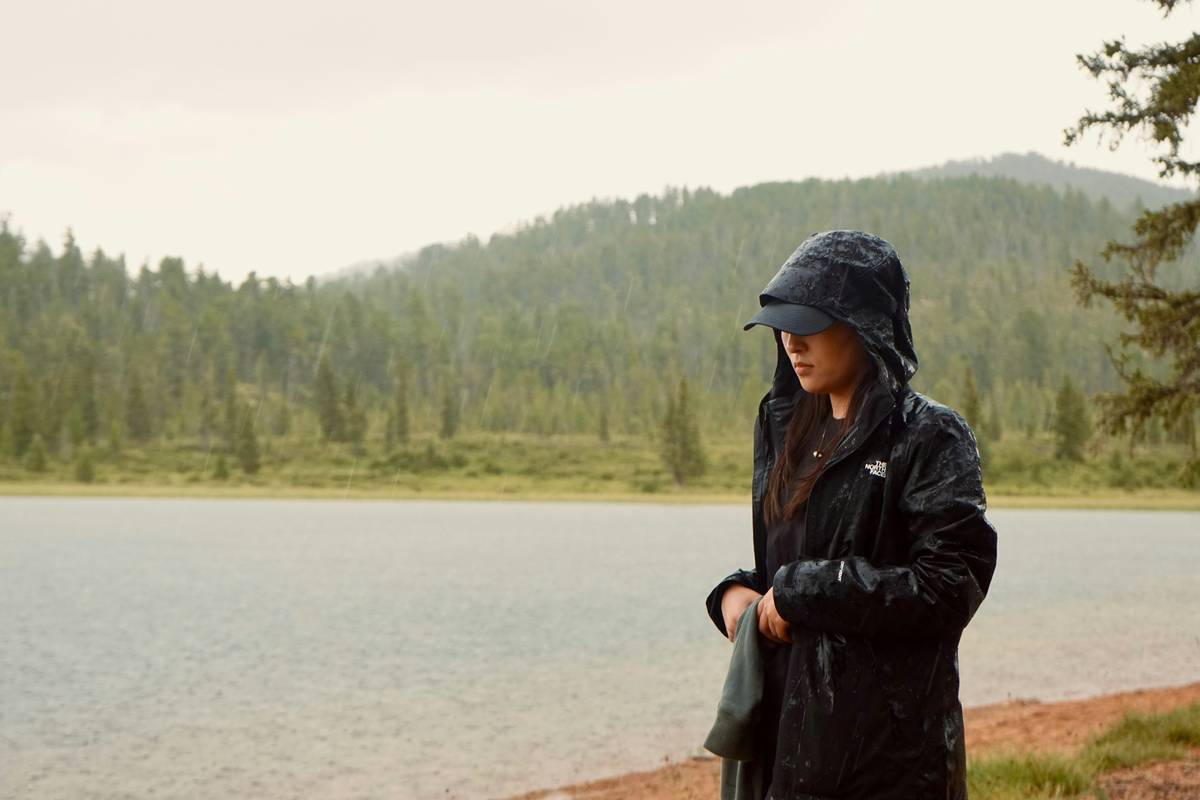
This isn’t your dad’s stiff nylon shell. Modern jackets use eVent or Pertex Shield membranes—fully waterproof yet breathable enough for active use. A well-fitted hood with a wired brim keeps rain off your face without flapping into your eyes.
Rain Capes & K-Wings for Cyclists & Walkers
Popular in Scandinavia and Japan, these hybrid garments offer 360° coverage with arm slits for mobility. Think trench coat meets tent fly. Ideal if you move constantly but hate restrictive sleeves.
Compact Personal Rain Shields
Newer than you think. Brands like Frogg Toggs and Sea to Summit make ultra-thin, wrist-strap shields that deploy in seconds—lighter than most umbrellas and immune to wind inversion.
| Umbrella Alternative | Avg. Weight | Packed Size | Wind Resistant? | Best For |
|---|---|---|---|---|
| Packable Poncho | 4–7 oz | Fist-sized | Yes | Backpackers, festival-goers, sudden downpours |
| Waterproof Jacket w/ Hood | 10–16 oz | Small stuff sack | Very | Hiking, city walking, multi-day trips |
| Rain Cape | 8–12 oz | Rolls thin | Moderate | Cycling, urban commuting, layered climates |
| Personal Rain Shield | 3–5 oz | Wristband size | High | Light rain, quick errands, minimalist travelers |
The Industry Secret No One Talks About
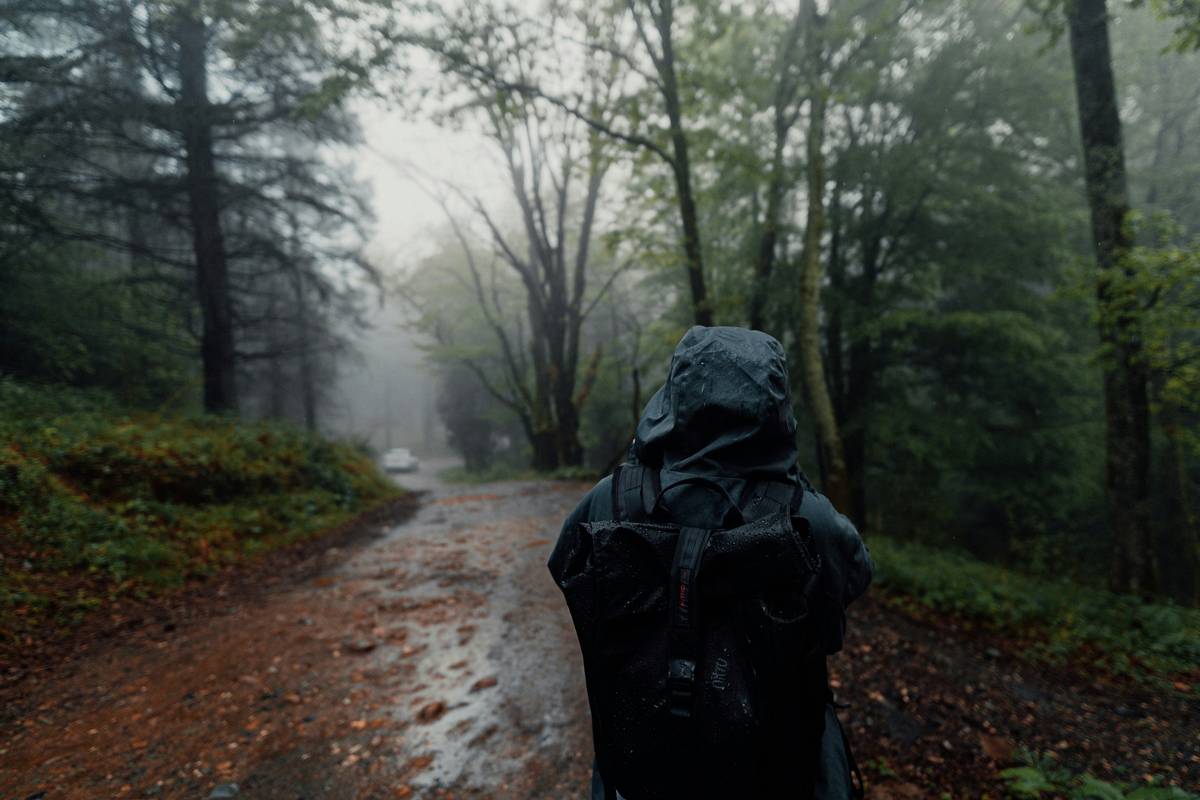
Most outdoor brands quietly admit: layering beats single-solution gear every time. The real pro move? Combine a breathable waterproof jacket with a stashed ultralight poncho. Why?
Because when humidity spikes or you start climbing hills, your jacket traps heat. Whip out the poncho—it vents from below while shielding rain. You stay dry and cool. Retailers won’t tell you this; they want you buying one $250 “do-it-all” shell. But seasoned travelers carry two $40 pieces that adapt to changing conditions. The math is simple: flexibility wins.
Frequently Asked Questions
Are ponchos really better than umbrellas for travel?
Yes—if you’re mobile. Ponchos cover your bag, work in wind, and weigh less. Only downside: less facial coverage in sideways rain.
Can I rely solely on a rain jacket instead of Umbrella Alternatives?
For steady rain, yes. But add a compact poncho for humid climates—jackets alone cause sweat buildup during activity.
What’s the lightest Umbrella Alternative for backpacking?
Ultralight silicone-coated nylon ponchos (under 4 oz). Brands like Packa and Sea to Summit lead here.